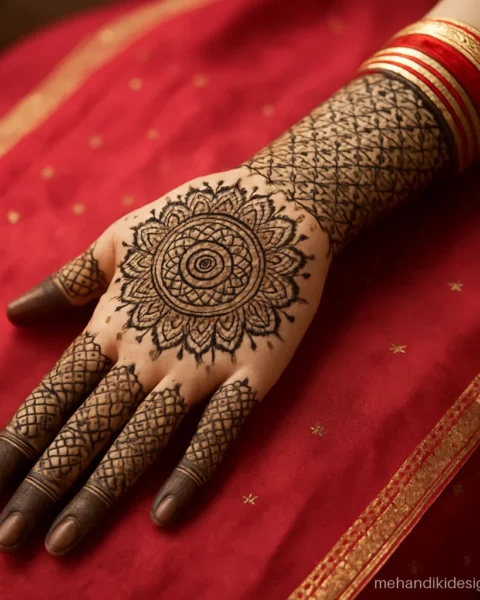
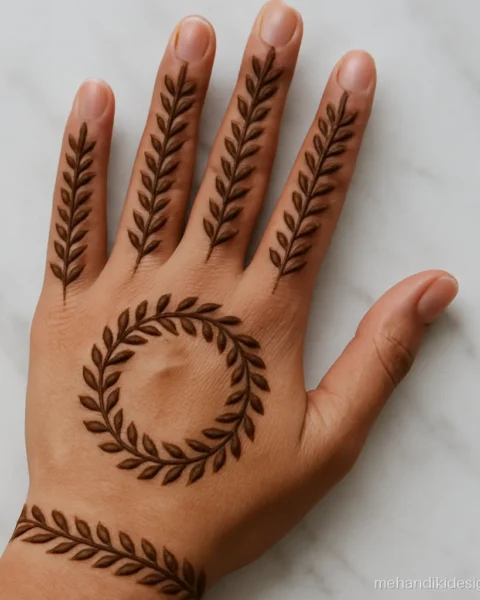
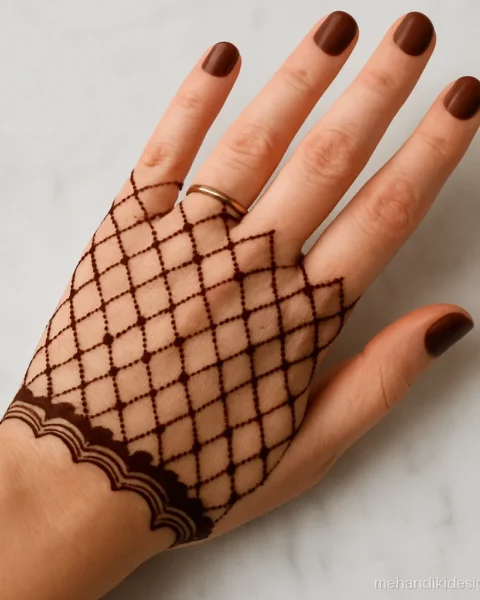
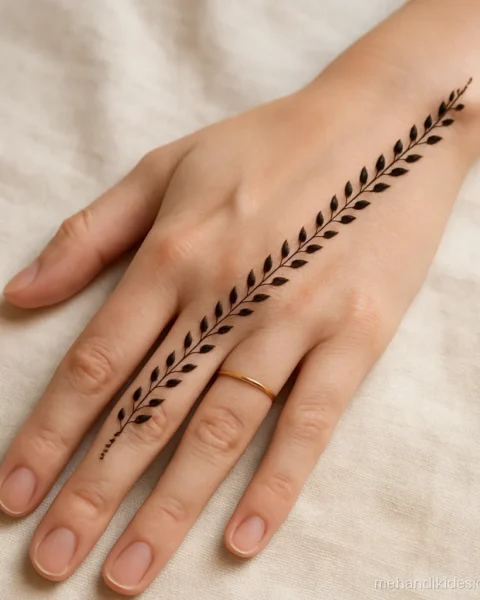
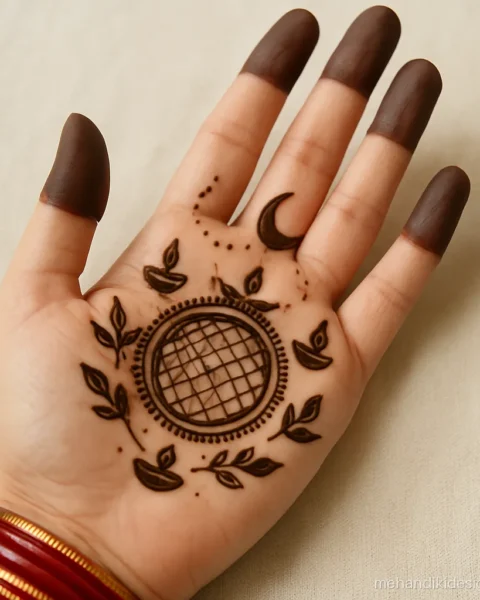
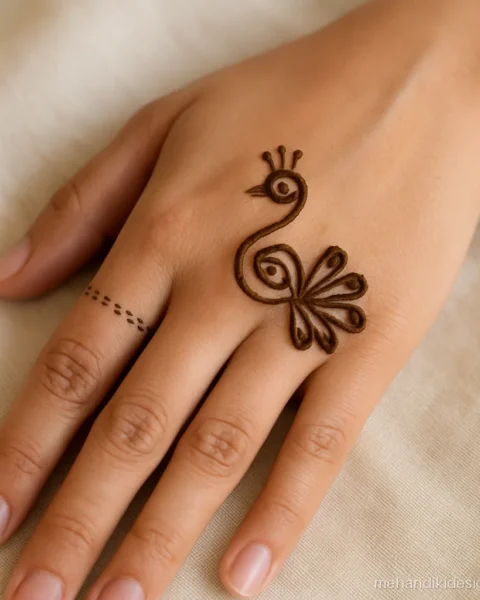
A traditional mehandi design uses the old motifs our nani and dadi grew up with: the peacock, the kairi, the jaal net, the chakra and the elephant. These designs are dense, full of meaning, and still the first choice for weddings and big festivals.
Below are 16 Indian mehandi design ideas in four groups. Each shows its level and time, from 30 minute palm motifs to 55 minute forearm designs in Rajasthani style.
For more ideas, see bridal mehandi design, full hand mehandi design, and festive picks like Karva Chauth mehandi design.
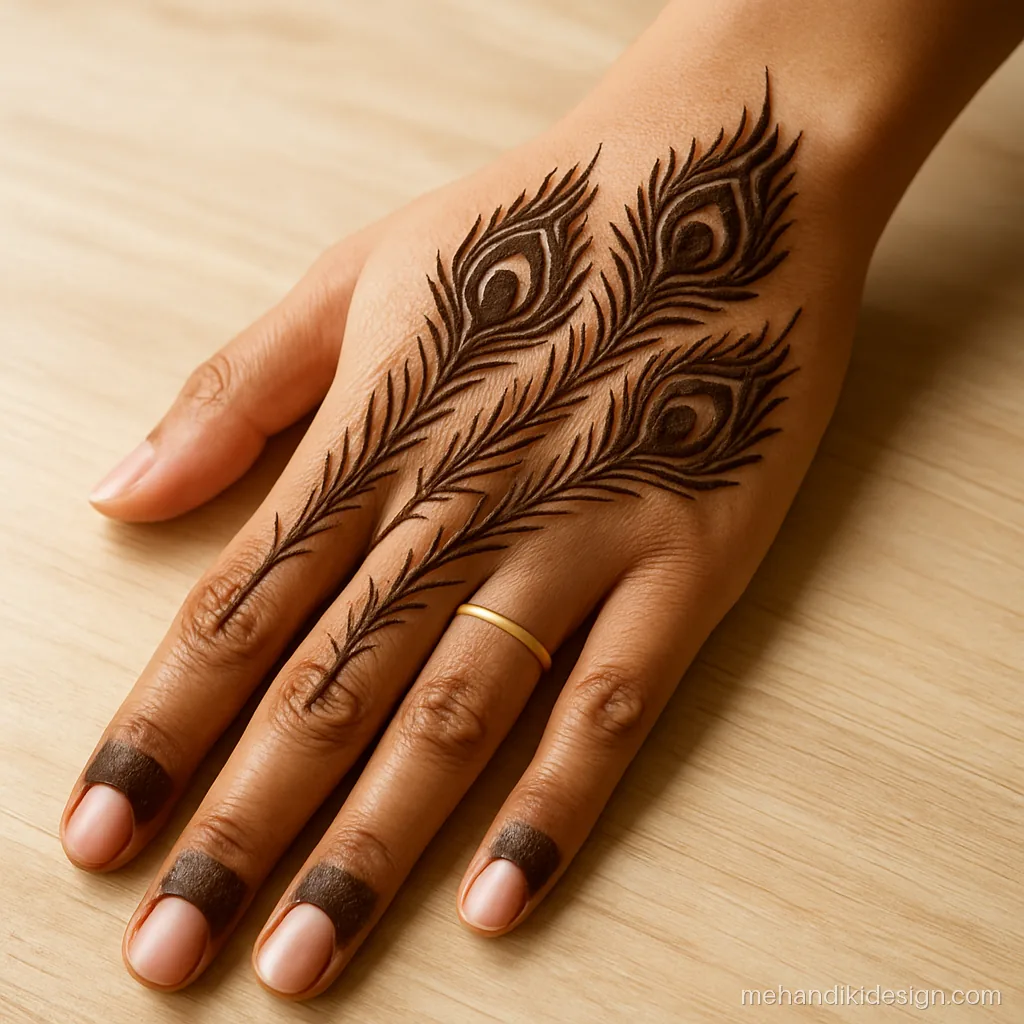
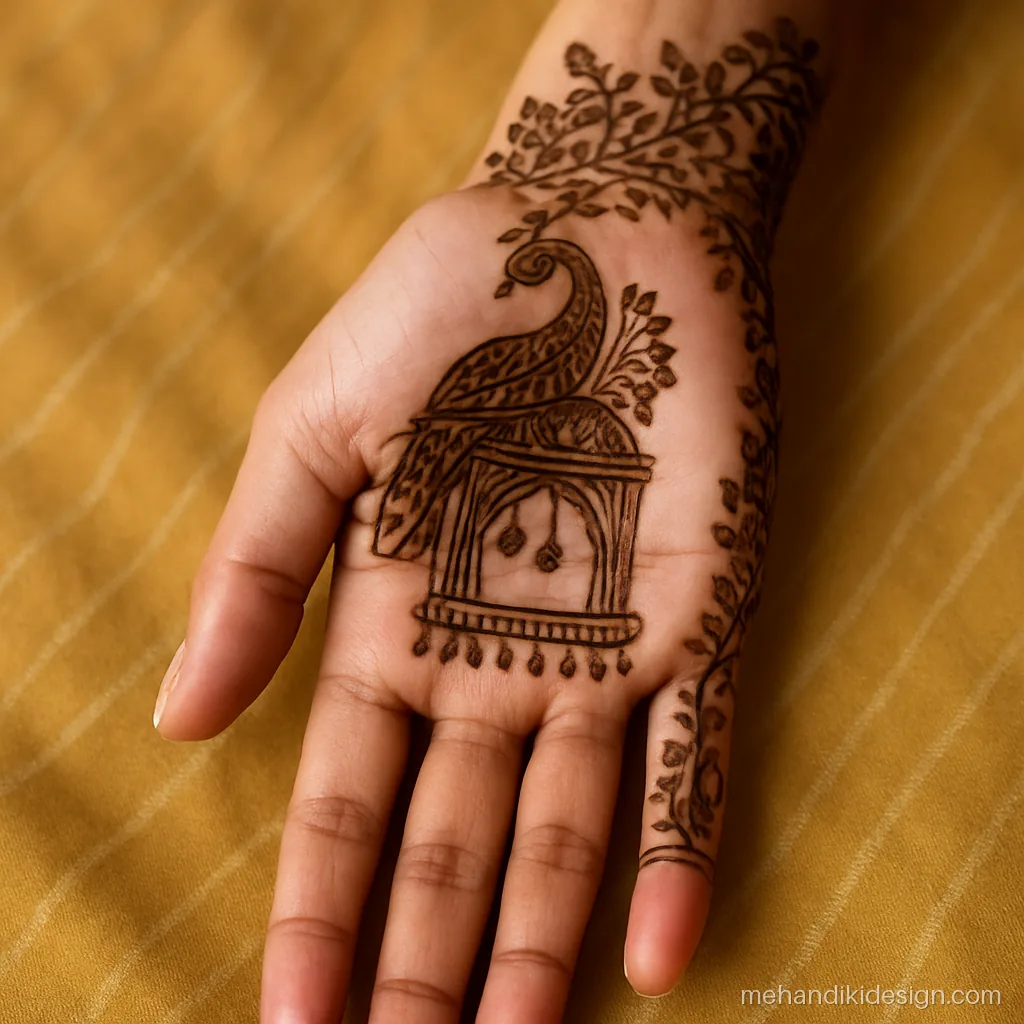
Peacock Traditional Mehandi Design
The mor (peacock) is the heart of traditional Indian mehandi design. It stands for beauty and love, and almost every bridal hand has one.
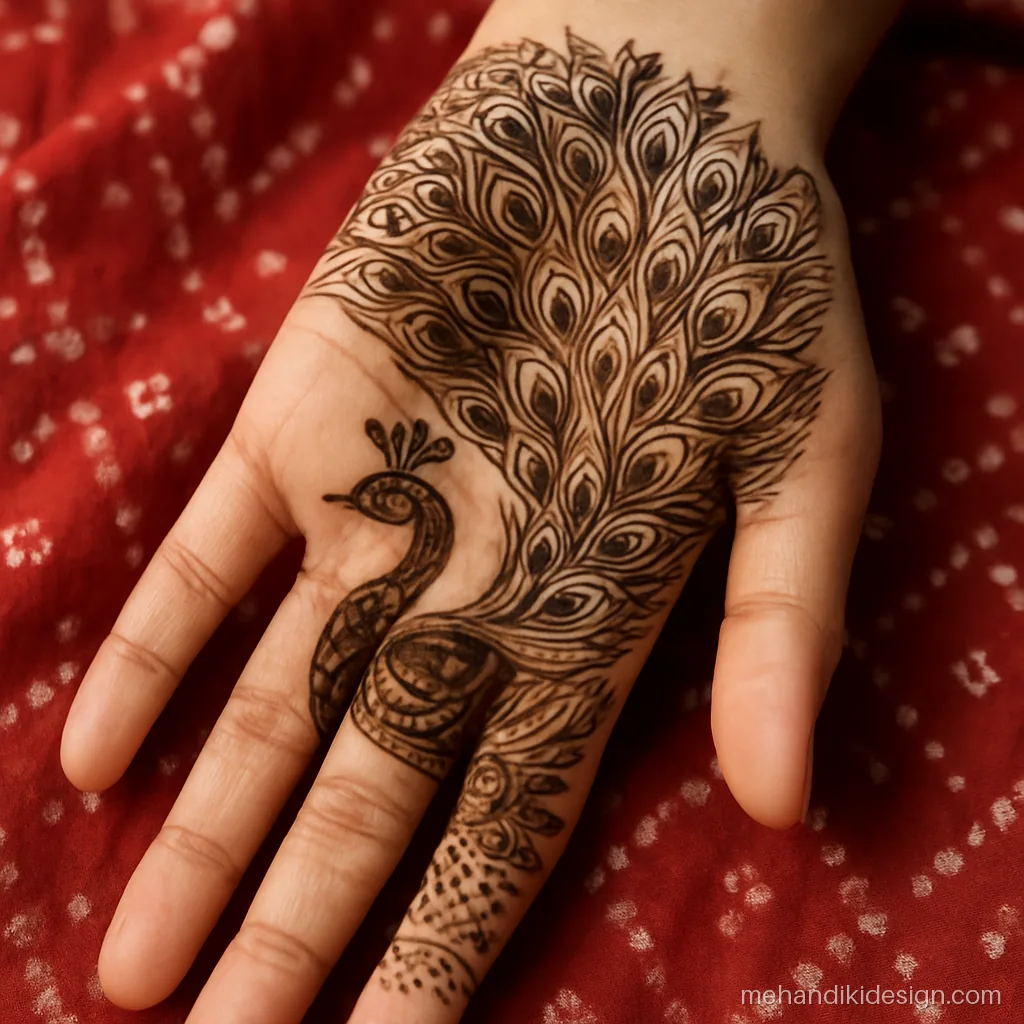
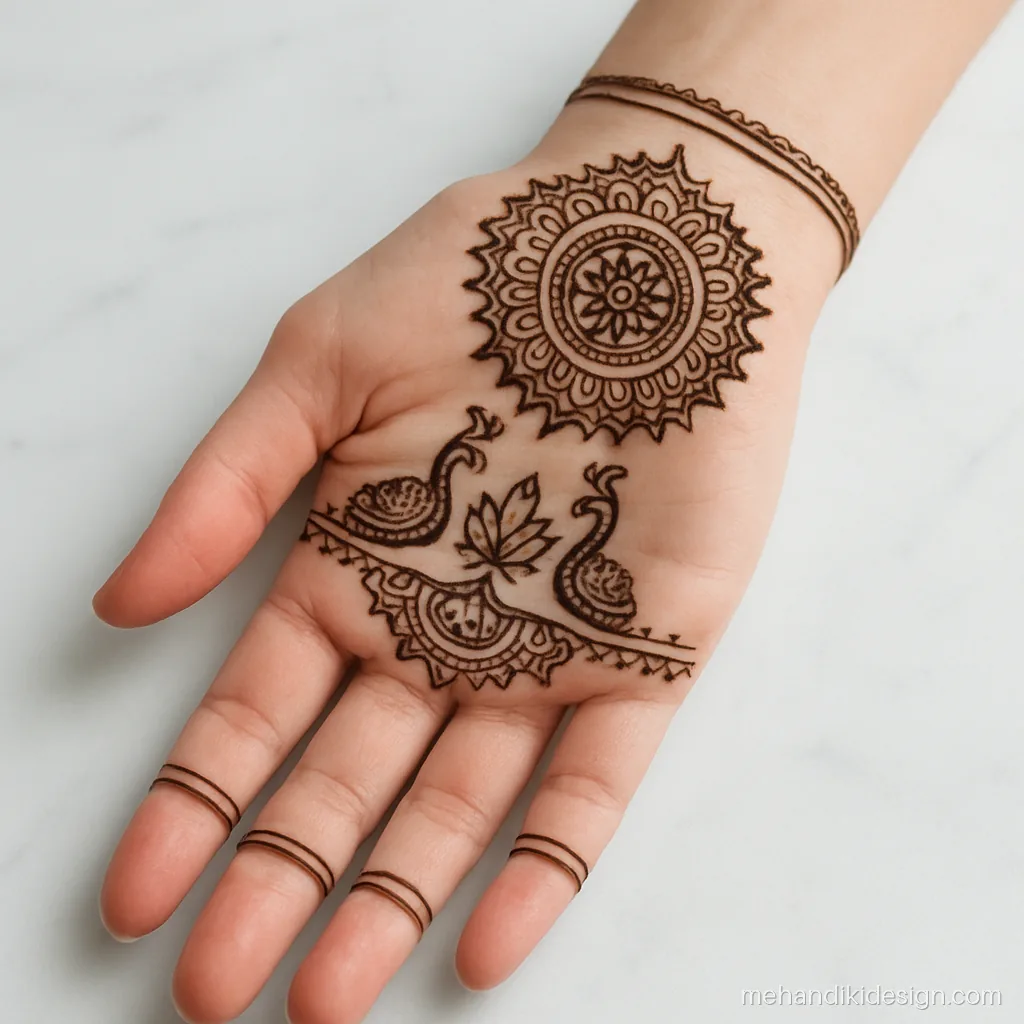
Paisley Kairi Indian Mehandi Design
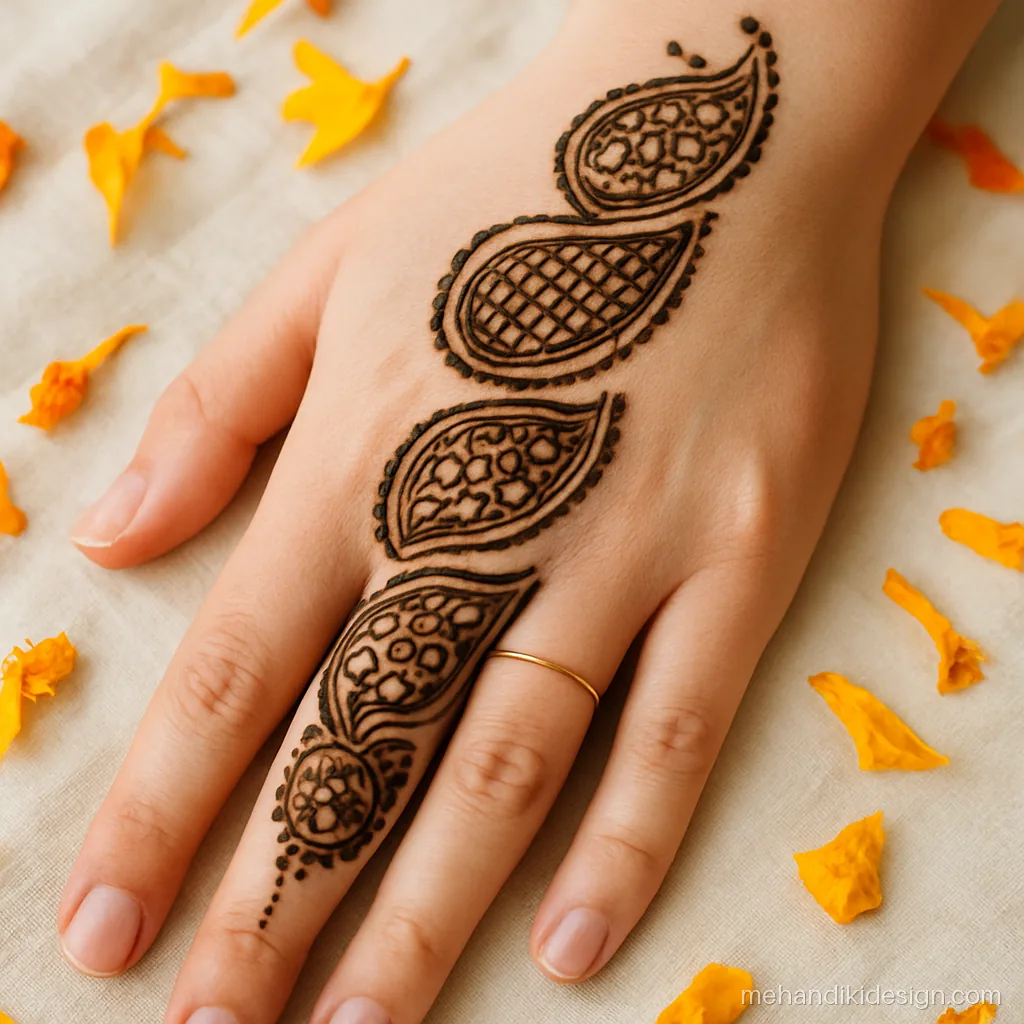
The kairi or paisley is shaped like a raw mango and stands for fertility and good luck. It is easy to fill with many patterns.
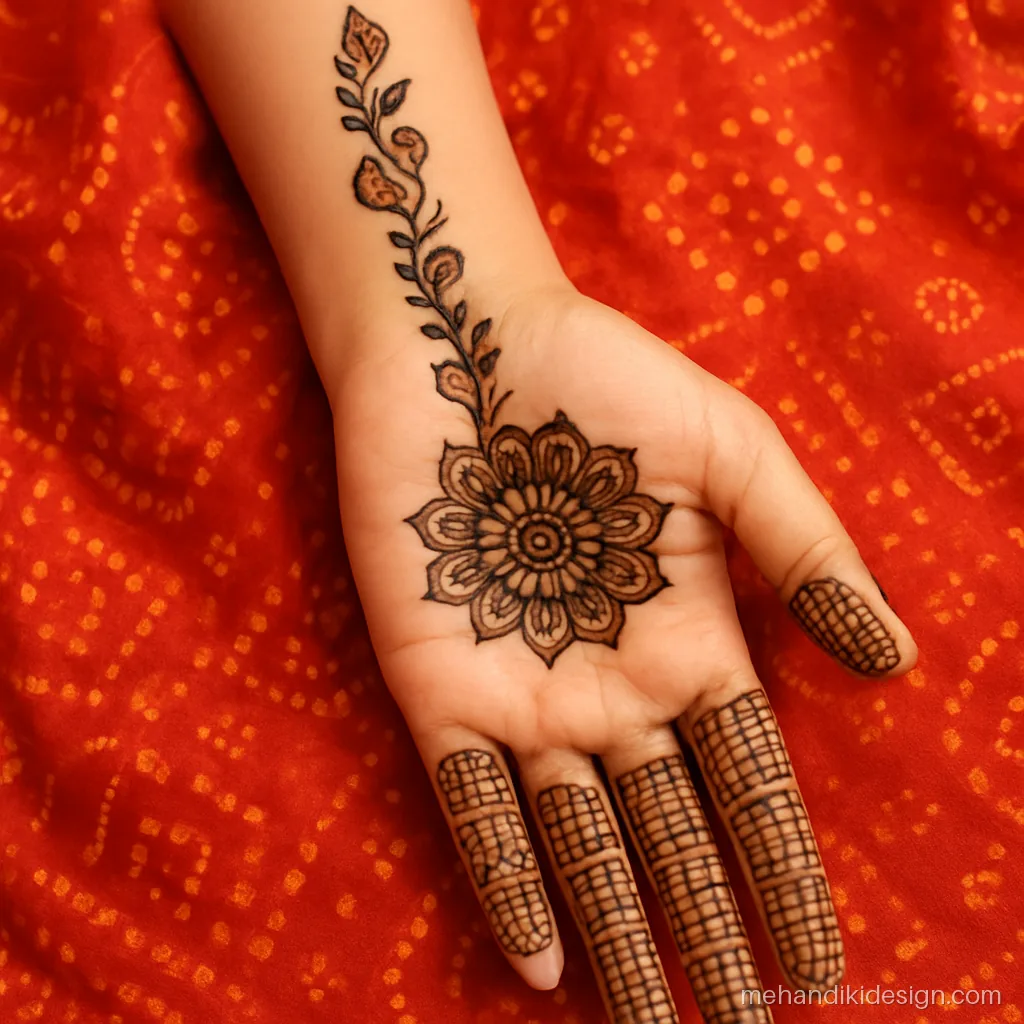
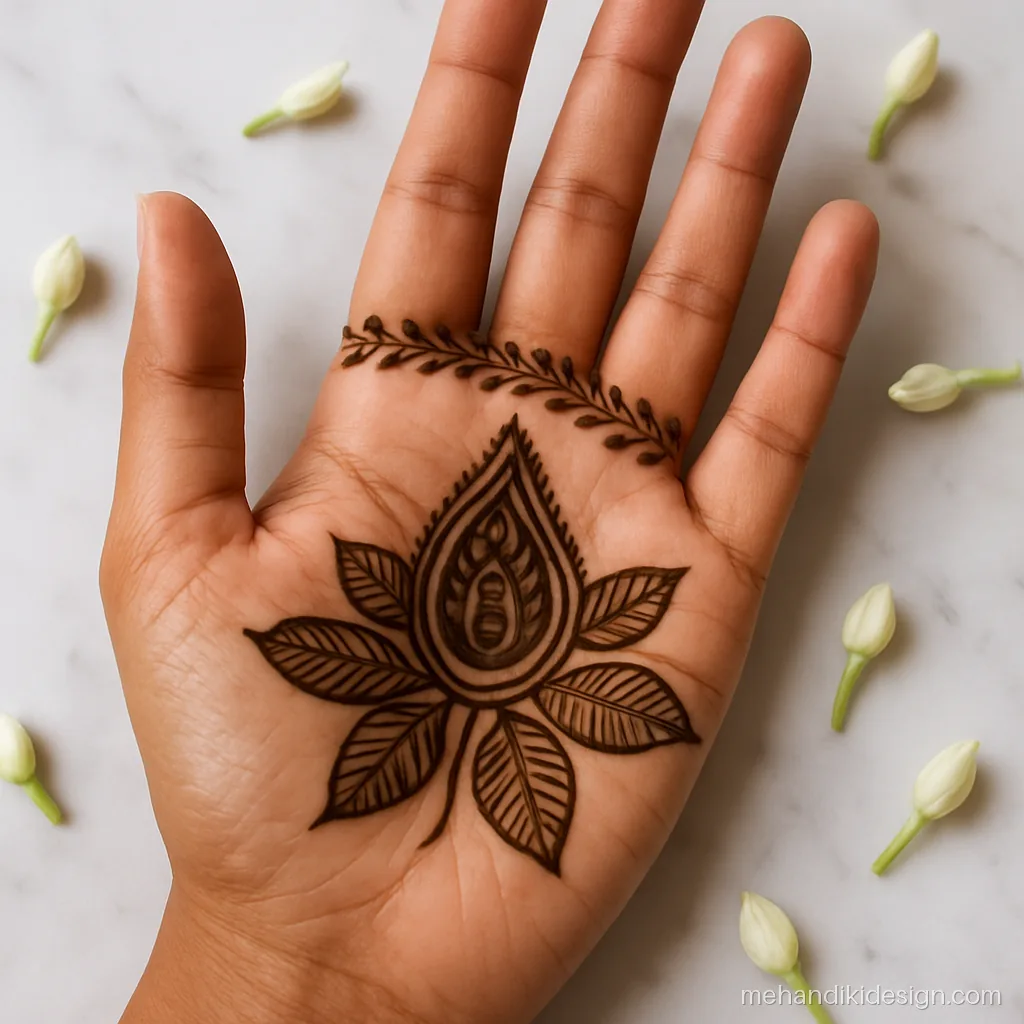
Jaal and Chakra Traditional Patterns
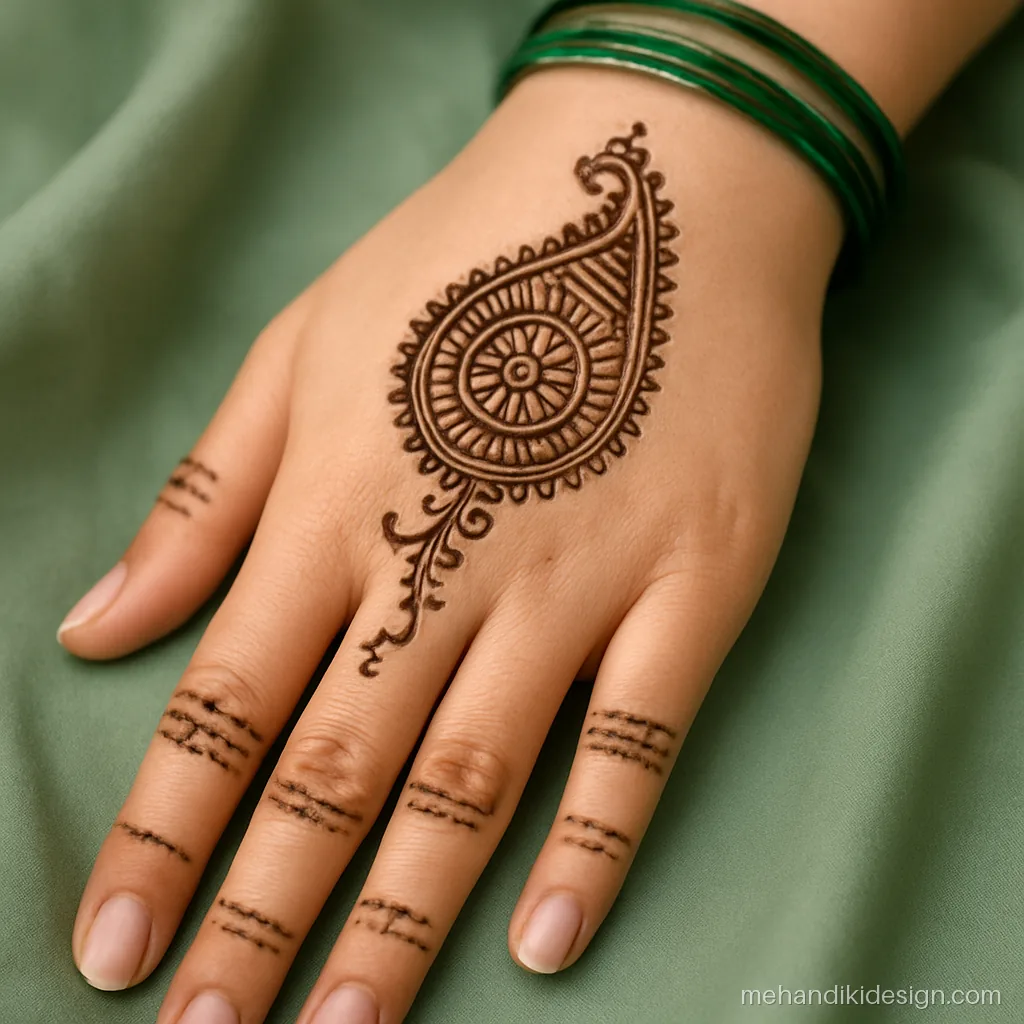
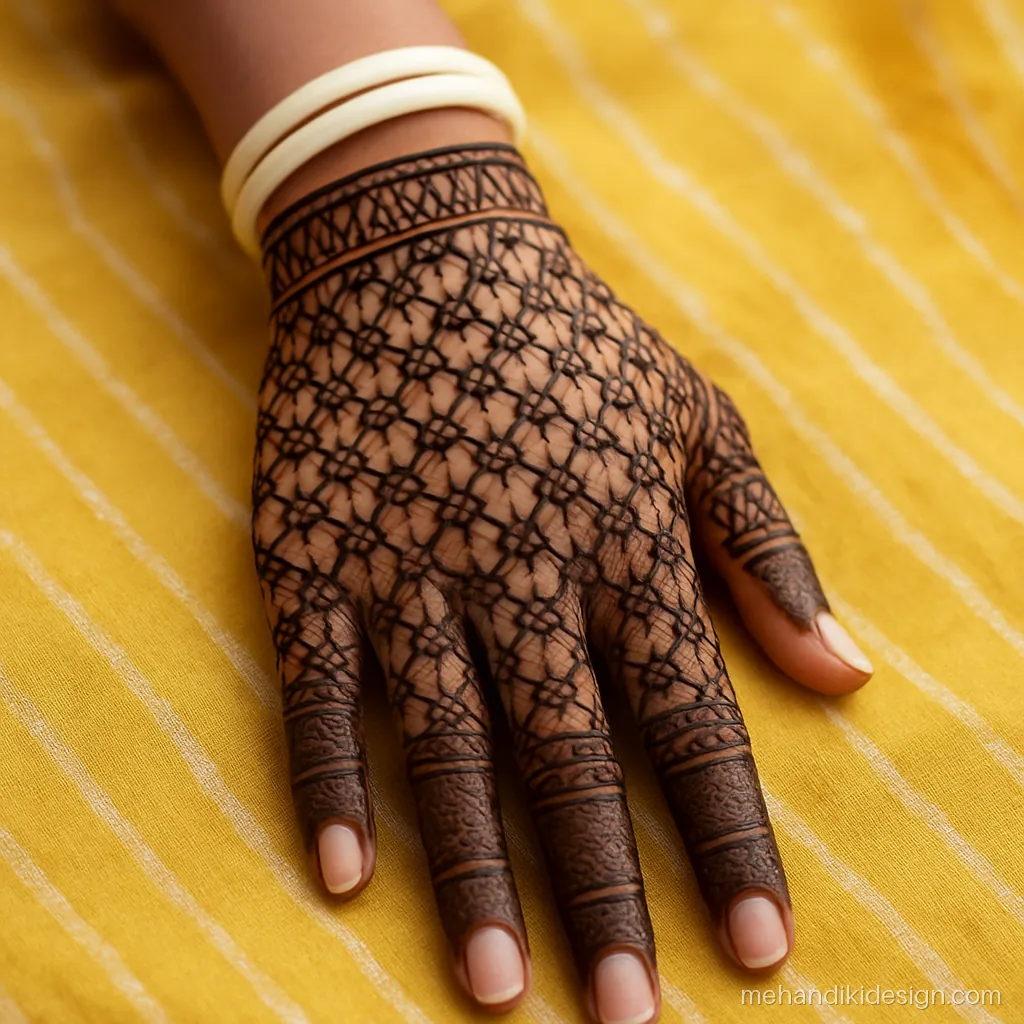
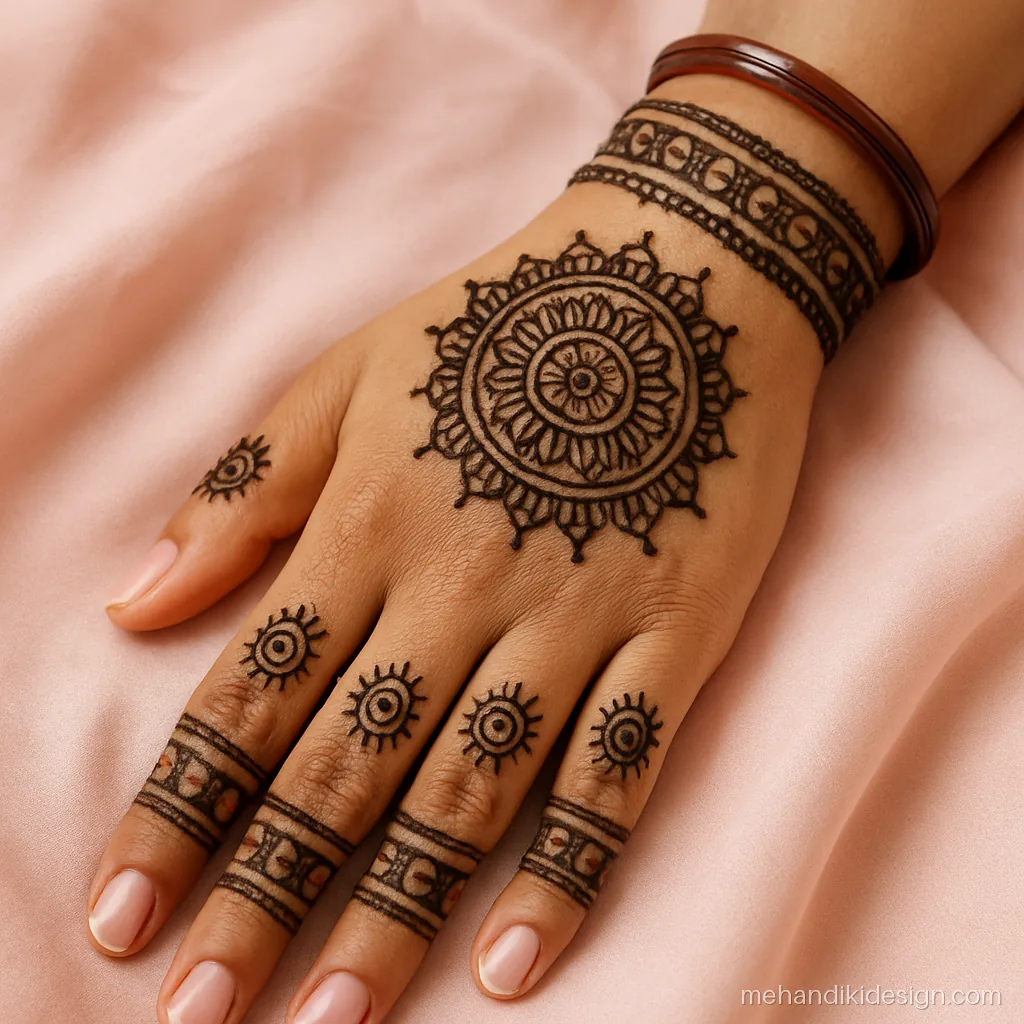
Jaal (net) and chakra (wheel) patterns give that full, dense look of old Indian mehandi. They need patience but are simple shapes repeated.
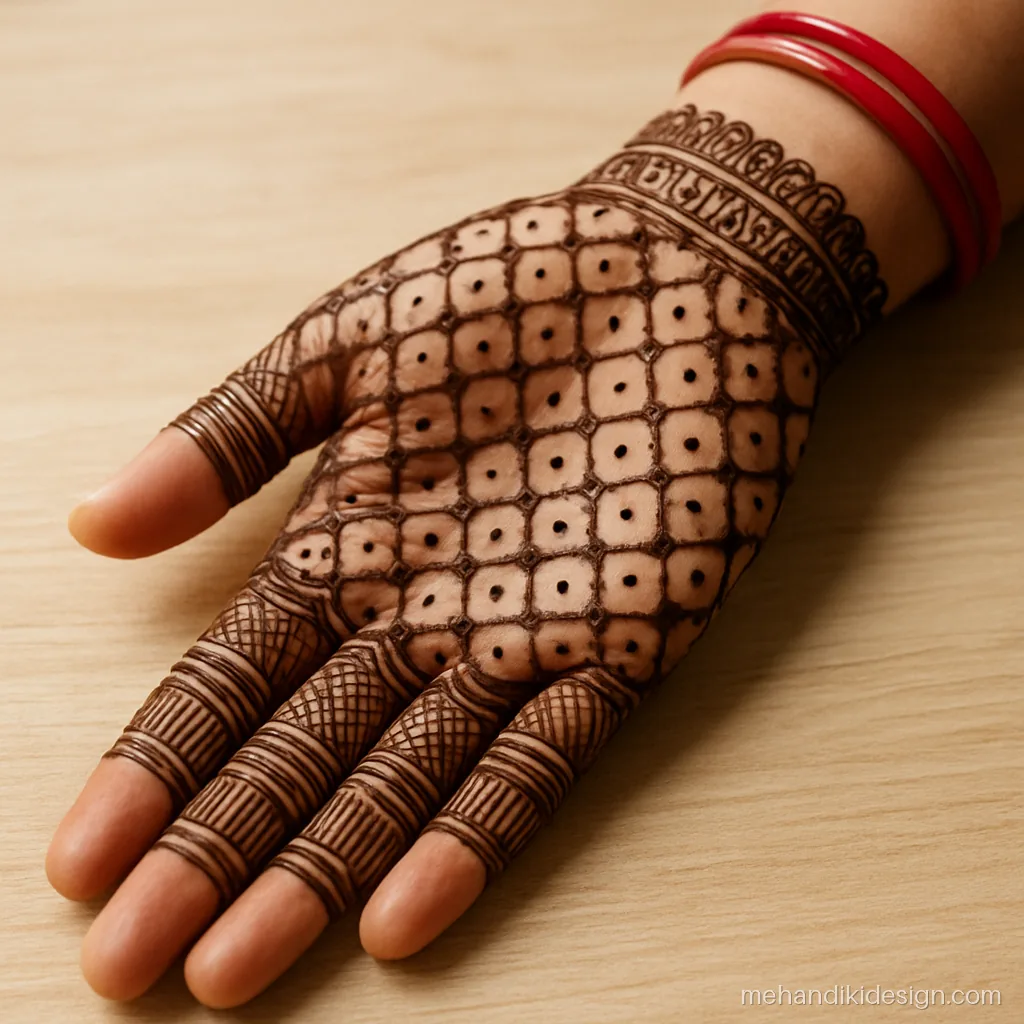
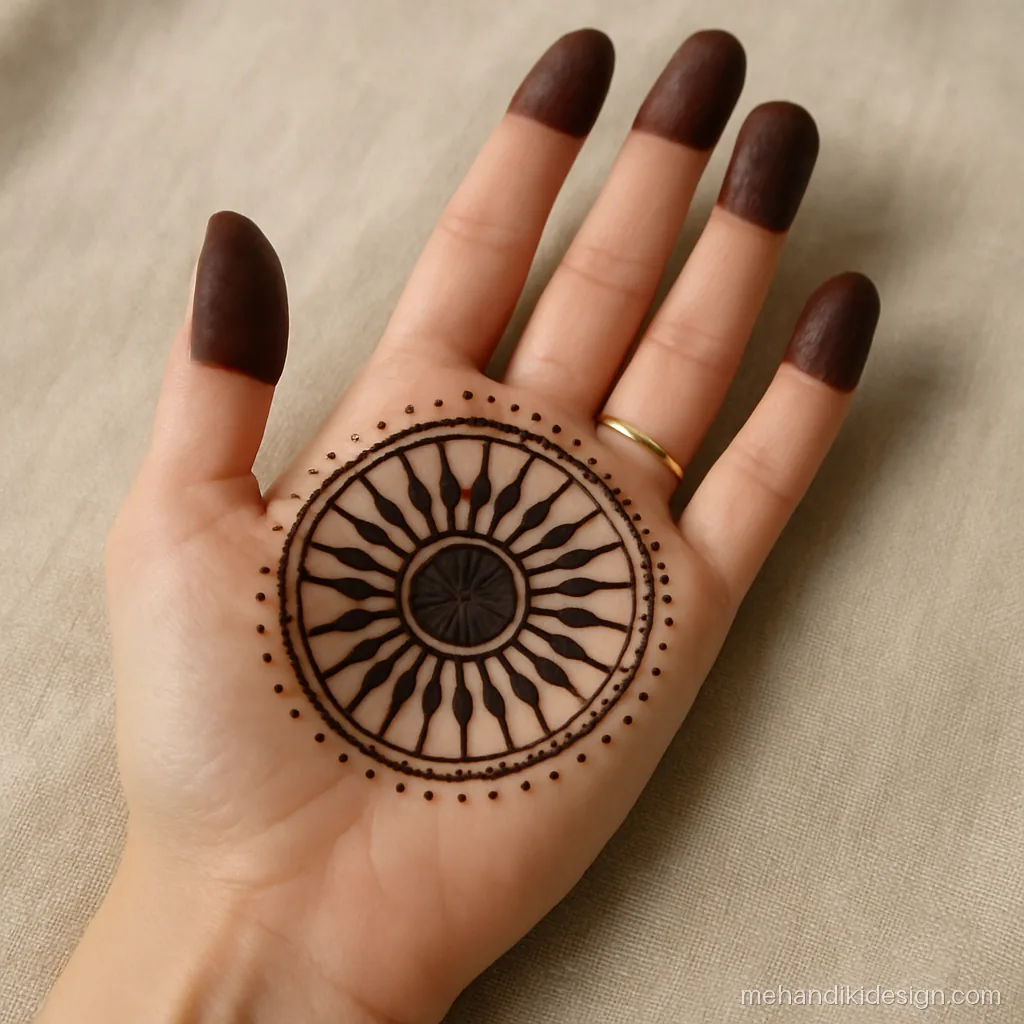
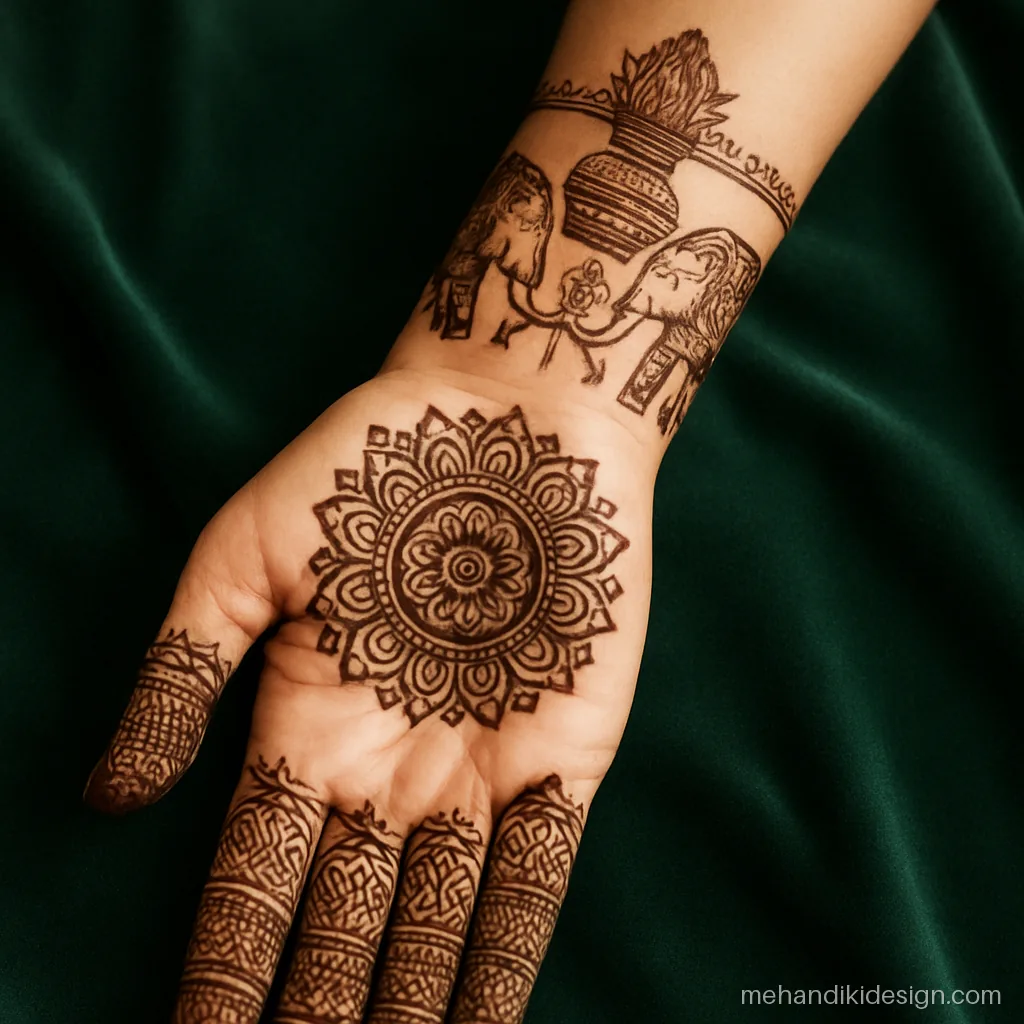
Elephant and Rajasthani Mehandi
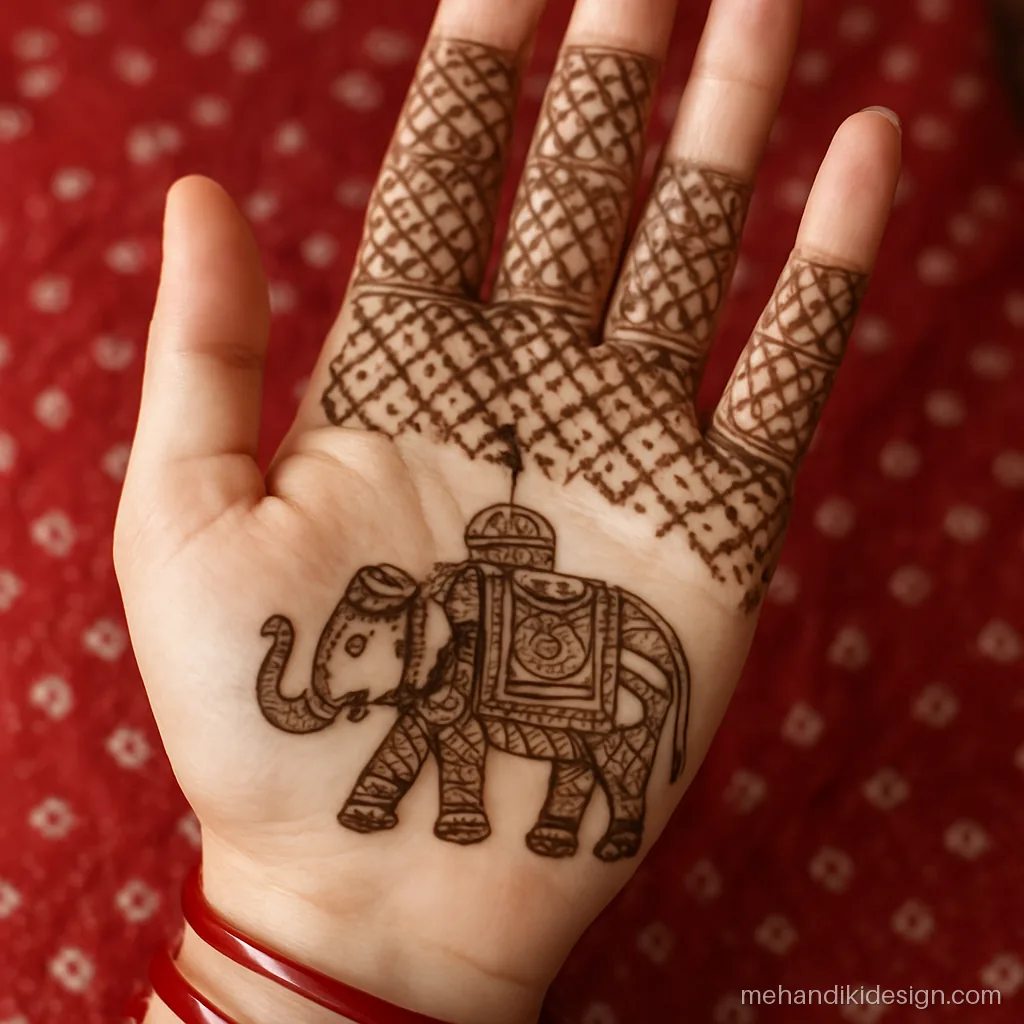
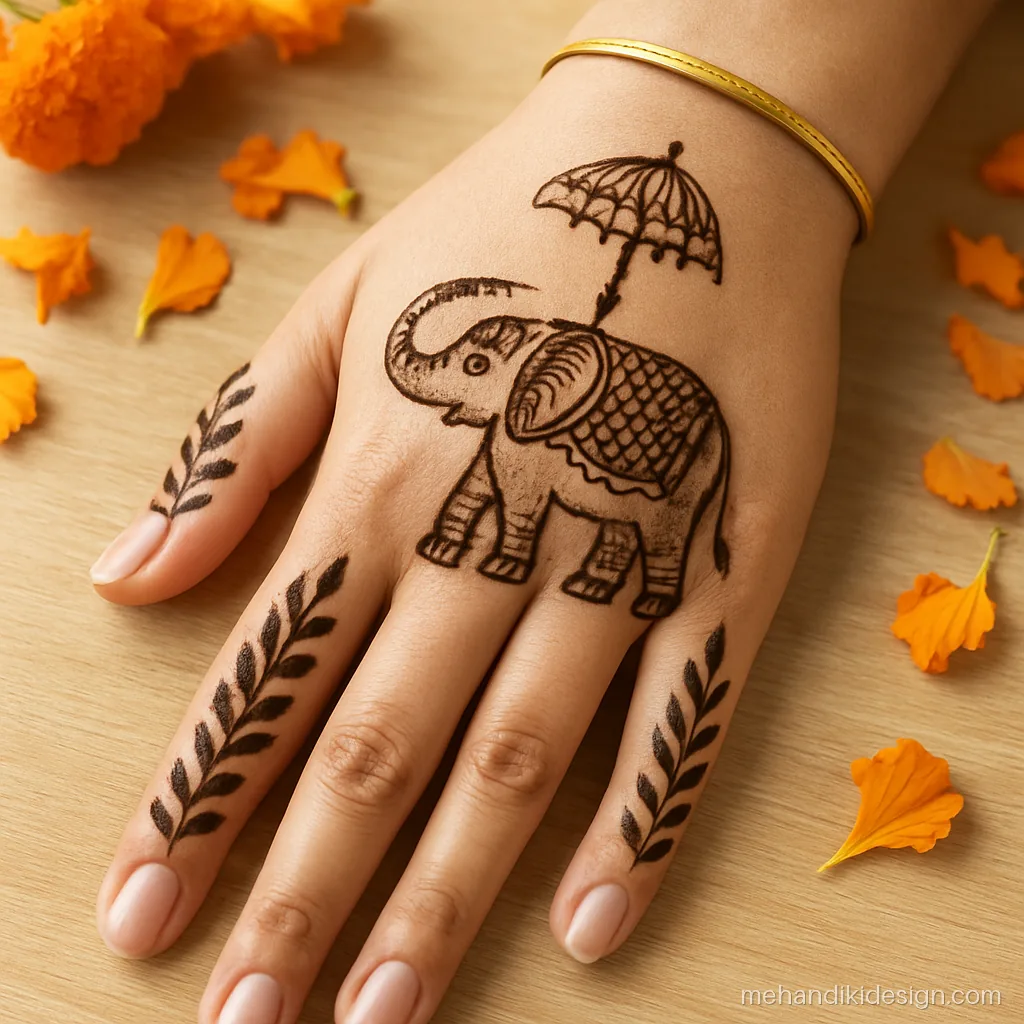
The haathi (elephant) brings good luck and royal charm. Rajasthani mehandi uses it often with umbrellas, flags and decorated cloths.
What the Traditional Motifs Mean
| Motif | Meaning | Where it sits |
|---|---|---|
| Peacock (mor) | Beauty, love, joy | Palm or wrist |
| Kairi (paisley) | Fertility, good luck | Palm, back hand |
| Jaal (net) | Togetherness, fullness | Filler for palm and arm |
| Chakra (wheel) | Balance, the circle of life | Palm centre |
| Elephant (haathi) | Good fortune, royalty | Palm, forearm |
| Kalash | Prosperity, a new start | Wrist or forearm |
Tips for Neat Traditional Mehndi
- Use a fine cone tip. Traditional designs need thin, even lines.
- Draw the big motif first, then borders, then fill gaps with jaal or dots.
- Keep fillers small and even so the main motif stands out.
- Use natural henna made from Lawsonia inermis. Black henna can contain PPD and cause serious skin reactions.
- Keep paste on 4 to 8 hours, overnight for weddings, and avoid water for 12 to 24 hours.
New to the cone? Start with our mehandi kaise lagaye guide. For colour tips, read mehandi ka rang.
Rajasthani Mehandi vs Other Styles
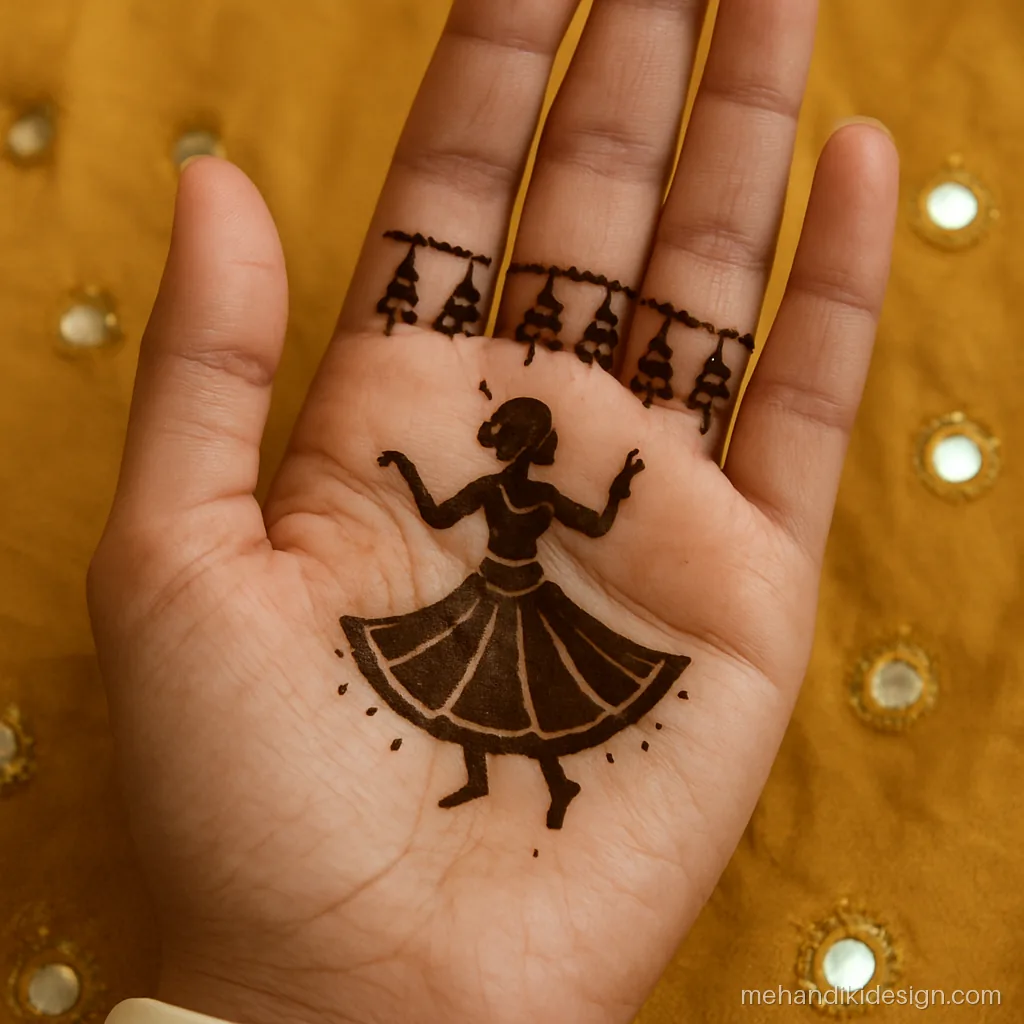
Rajasthani mehandi is the densest Indian style. It uses fine lines, very little open skin, and folk motifs like elephants, dancers, jharokha windows and bells. Arabic mehandi is the opposite: bold, shaded flowers with lots of open skin. Pakistani mehandi sits in between, with fine fills but more geometric layouts. If you want a quick festive look, a single traditional motif like a kairi or chakra with filled fingers gives the classic feel in about 30 minutes.
How to Build a Traditional Design Step by Step
- Pick one hero motif. Choose a peacock, elephant or big kairi and place it on the palm centre or the lower palm.
- Add a frame. Draw a circle, arch or jharokha around the hero motif so it looks finished.
- Draw the borders. Add wrist bands and a scalloped line where the palm meets the fingers.
- Fill the fingers. Use fine bands, checks or stripes, then cap each tip.
- Fill the gaps last. Use jaal, dots or tiny leaves in the empty spaces. Stop when the hand looks full but the hero motif still stands out.
This order keeps the design balanced, even if you are slow. It is how most experienced artists work.
Common questions
What makes a mehandi design traditional?
Traditional designs use old Indian motifs like the peacock, kairi, lotus, jaal and elephant. They fill most of the hand with fine lines and leave little open skin.
How is Rajasthani mehandi different from Indian mehandi?
Rajasthani mehandi is a type of Indian mehandi known for very fine lines and folk scenes like elephants, dancers and palace windows. Other Indian styles may be lighter or use more floral fills.
How long does a traditional mehandi design take?
A palm motif with filled fingers takes 30 to 40 minutes. Designs to the mid forearm take 45 to 60 minutes per hand. Full bridal traditional hands can take 2 to 3 hours each.
Which traditional motif is easiest for beginners?
The kairi is the easiest. It is a simple teardrop shape that you can fill with dots, lines or petals. Practise a few on paper before trying a peacock.
Is traditional mehandi good for festivals?
Yes. A peacock or kairi design suits Karva Chauth, Teej, Diwali and weddings. For quick festival looks, keep the motif on the palm and fill the fingers.