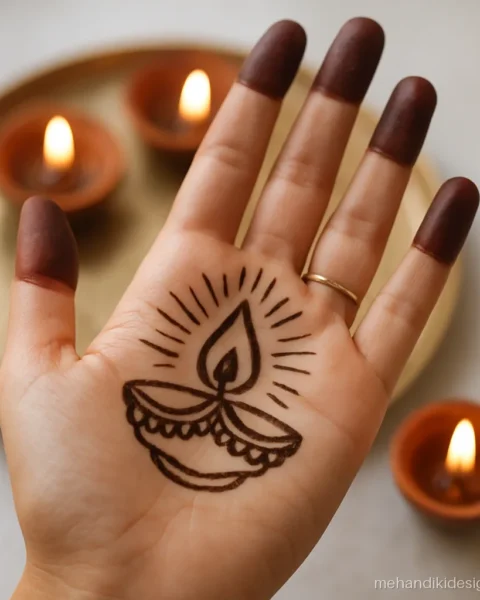
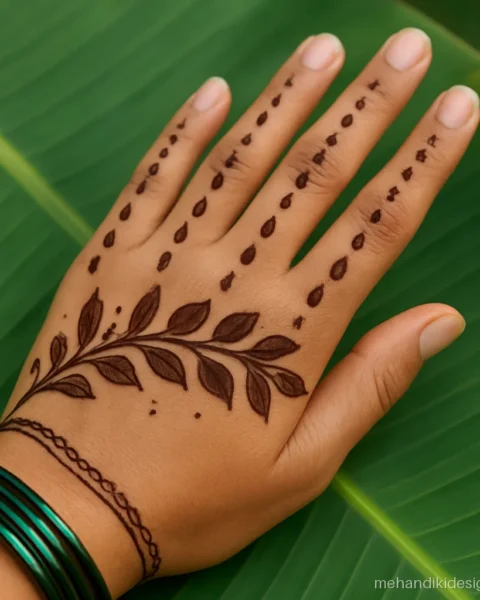
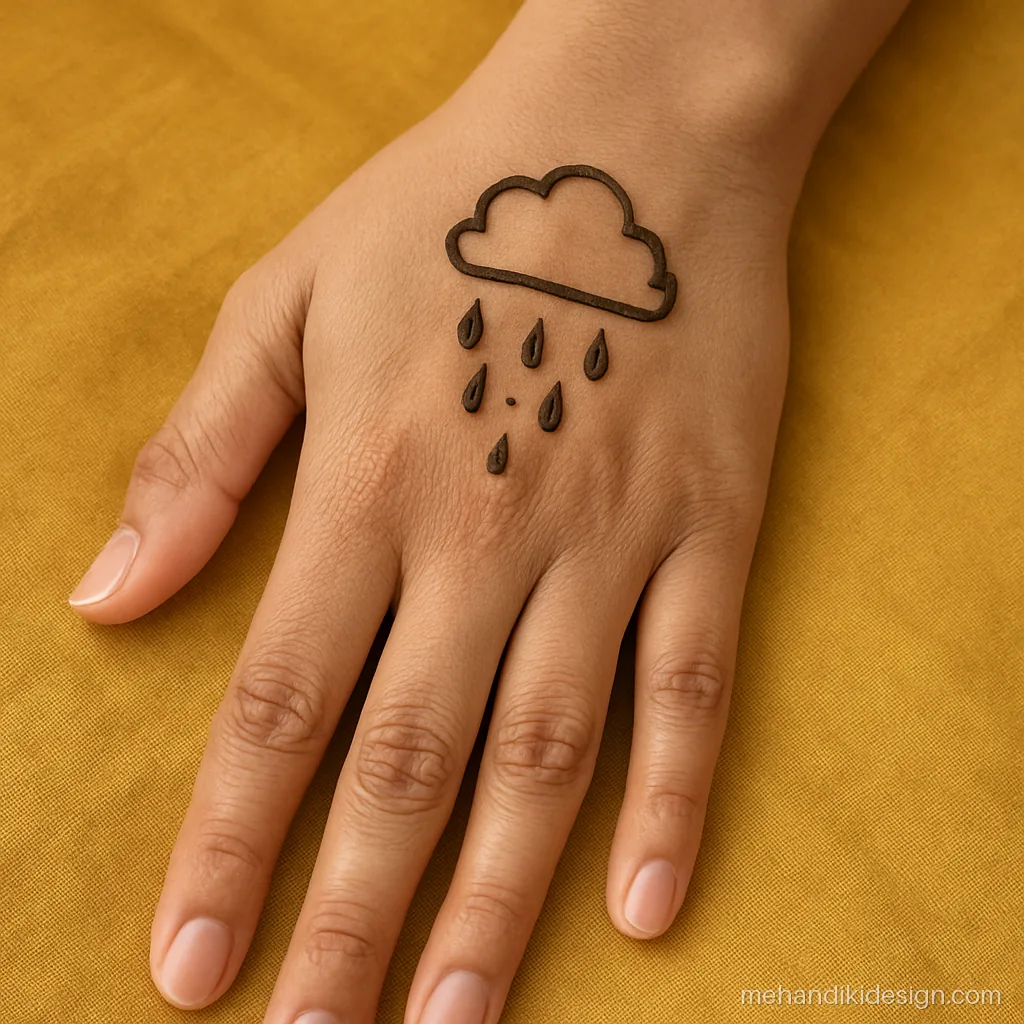
A teej mehandi design is full of monsoon joy: swings on a neem tree, dancing peacocks, green leaves and little rain drops. On Hariyali Teej, women sit together in green sarees and bangles, and nobody wants empty hands. This page gives you 12 fresh ideas, from a quick five-minute bel to a full jhula scene on the palm.
Every design below has a time estimate and a level, so you can pick one that fits the morning of the festival. If you are short on time, also see our simple mehandi design page. For a fuller look, browse full hand mehandi design or the classic traditional mehandi design collection.
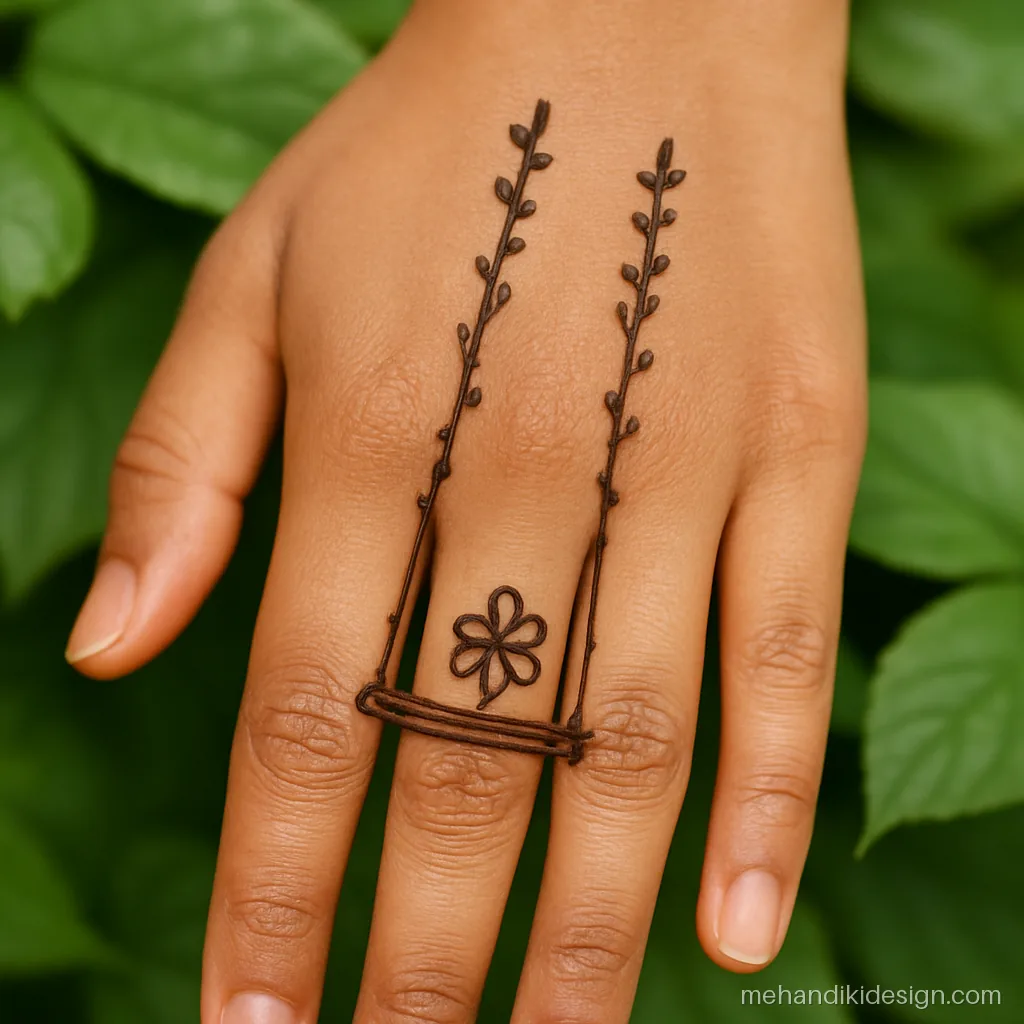
Jhula Mehandi Design for Teej
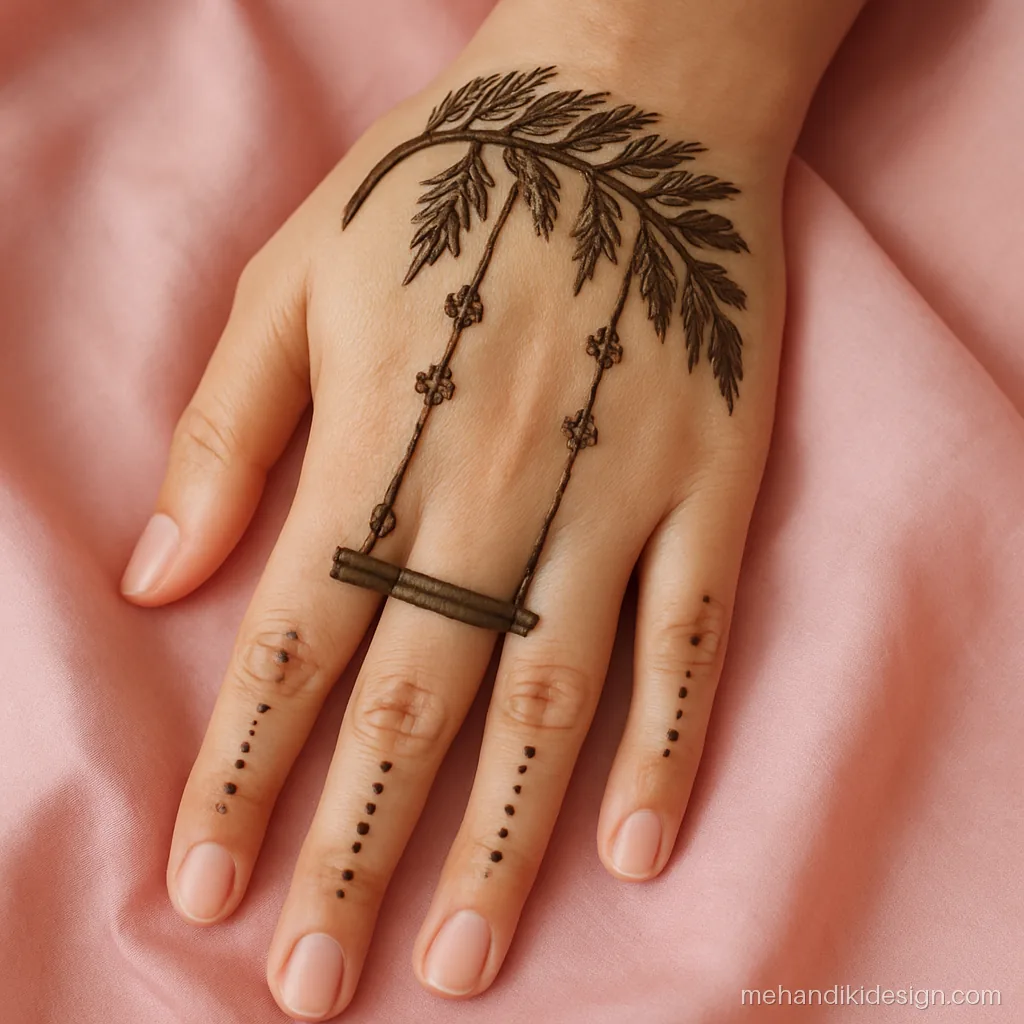
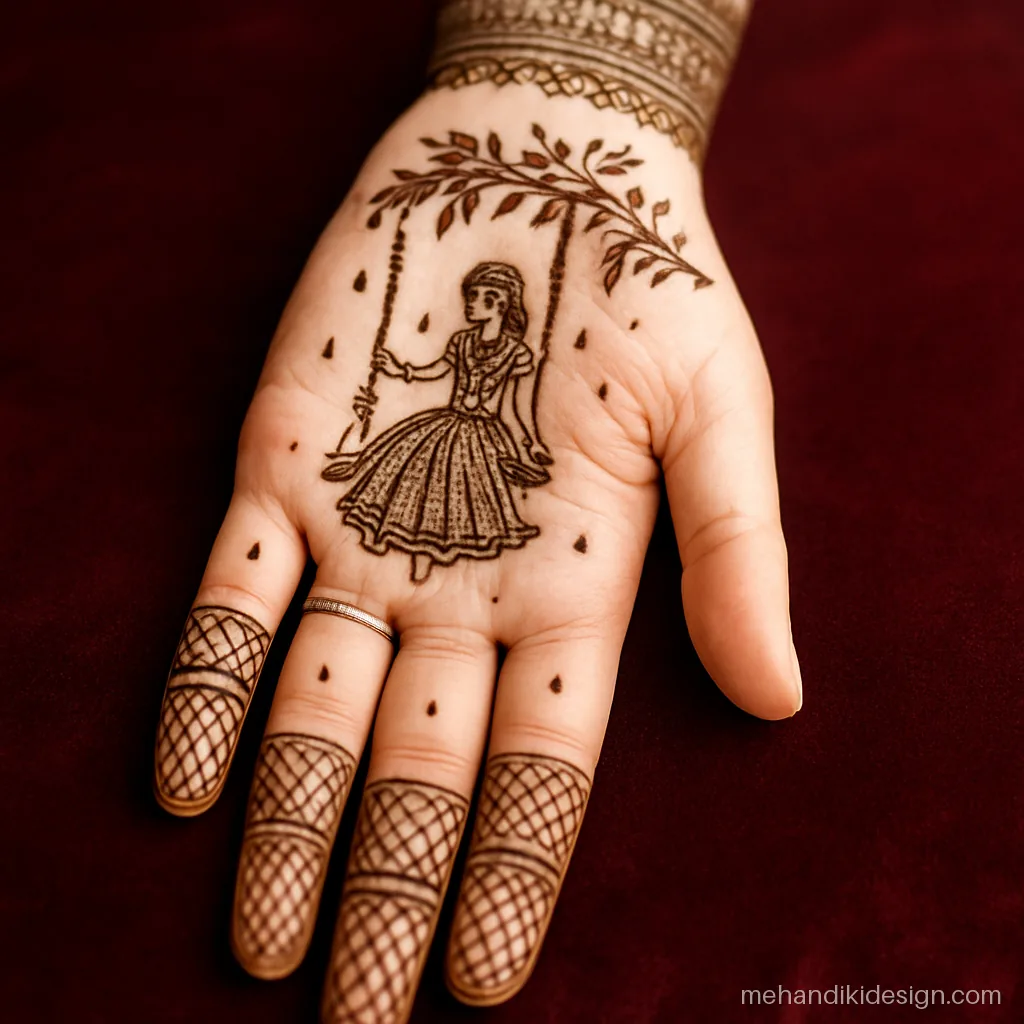
The swing is the heart of Teej. These designs place a jhula on a branch in the palm, with leaves and flowers around it.
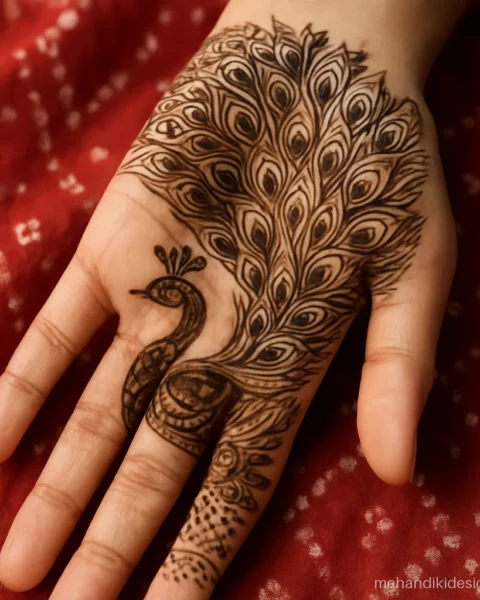
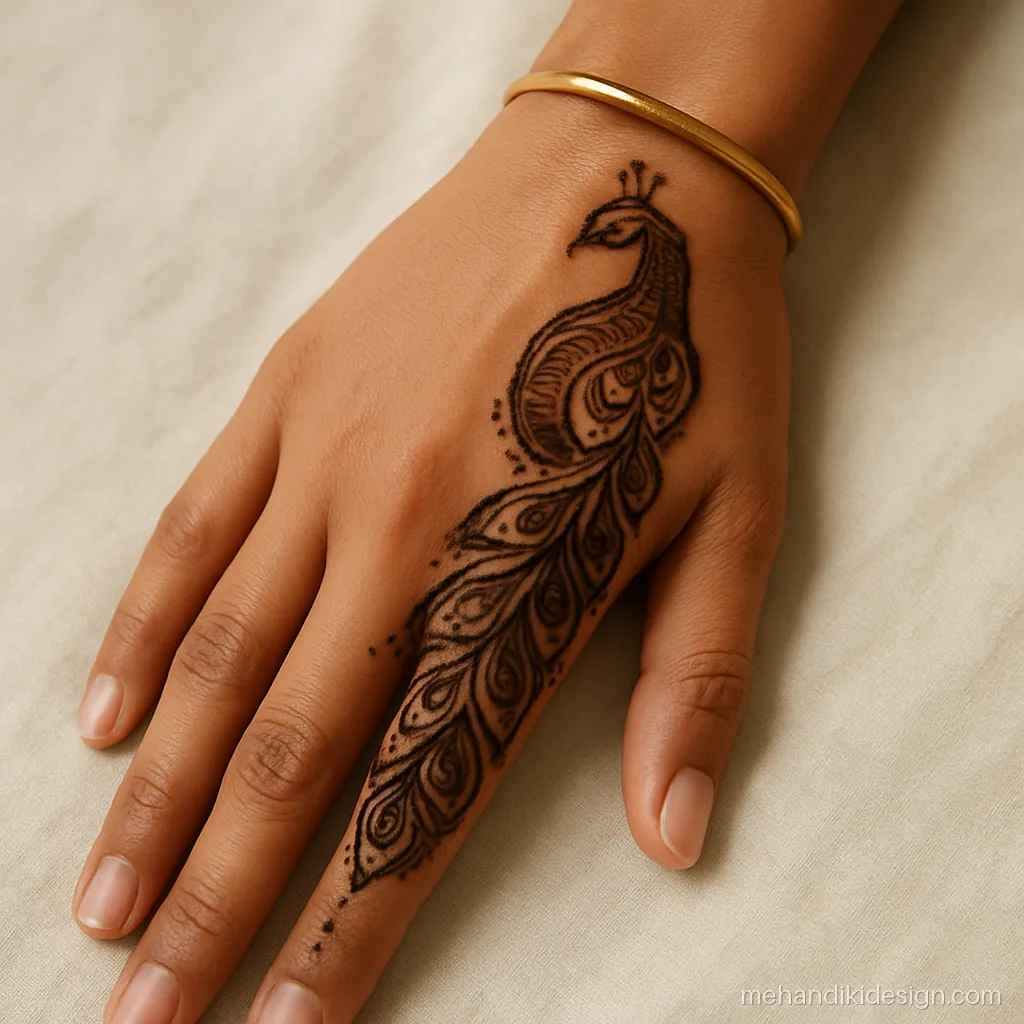
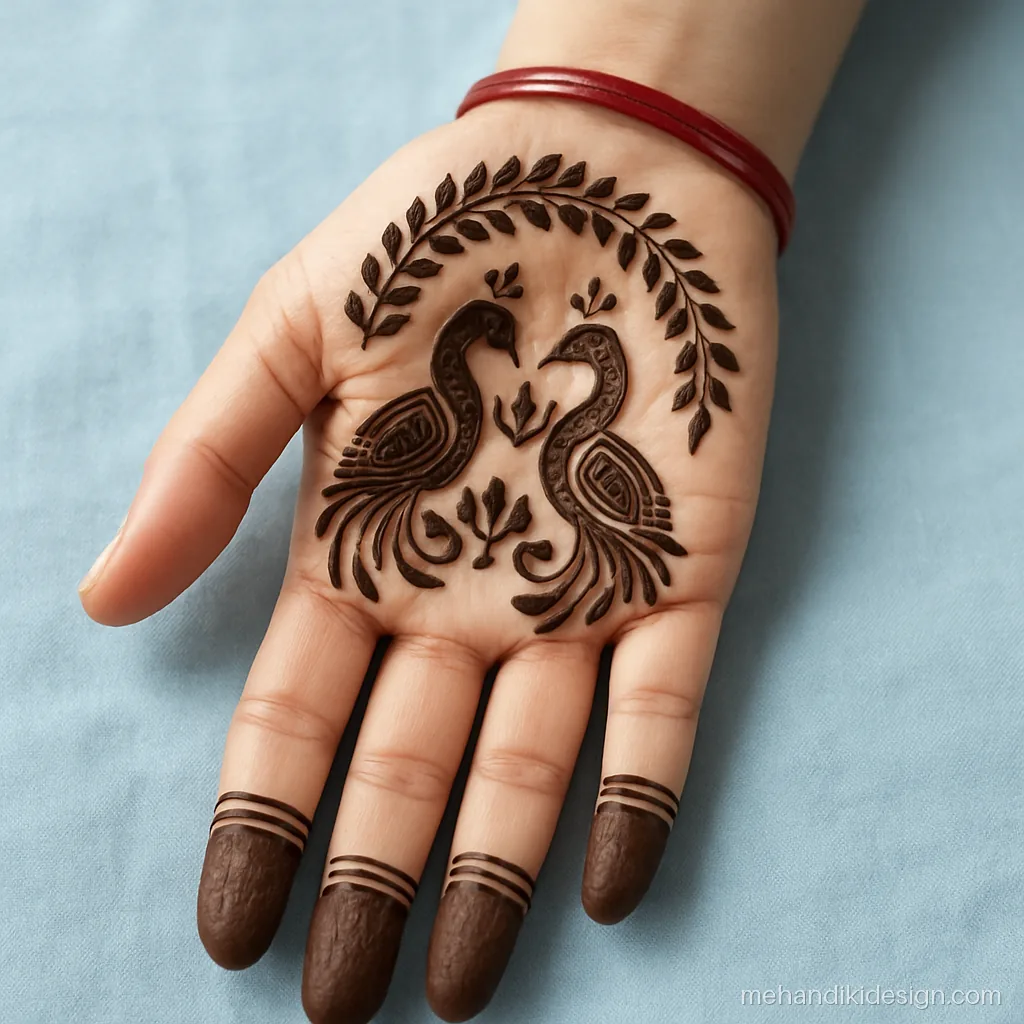
Peacock Teej Mehandi Design
Peacocks dance when the rain comes, which makes them a perfect mehandi design for teej. Try one big bird or a pair facing each other.
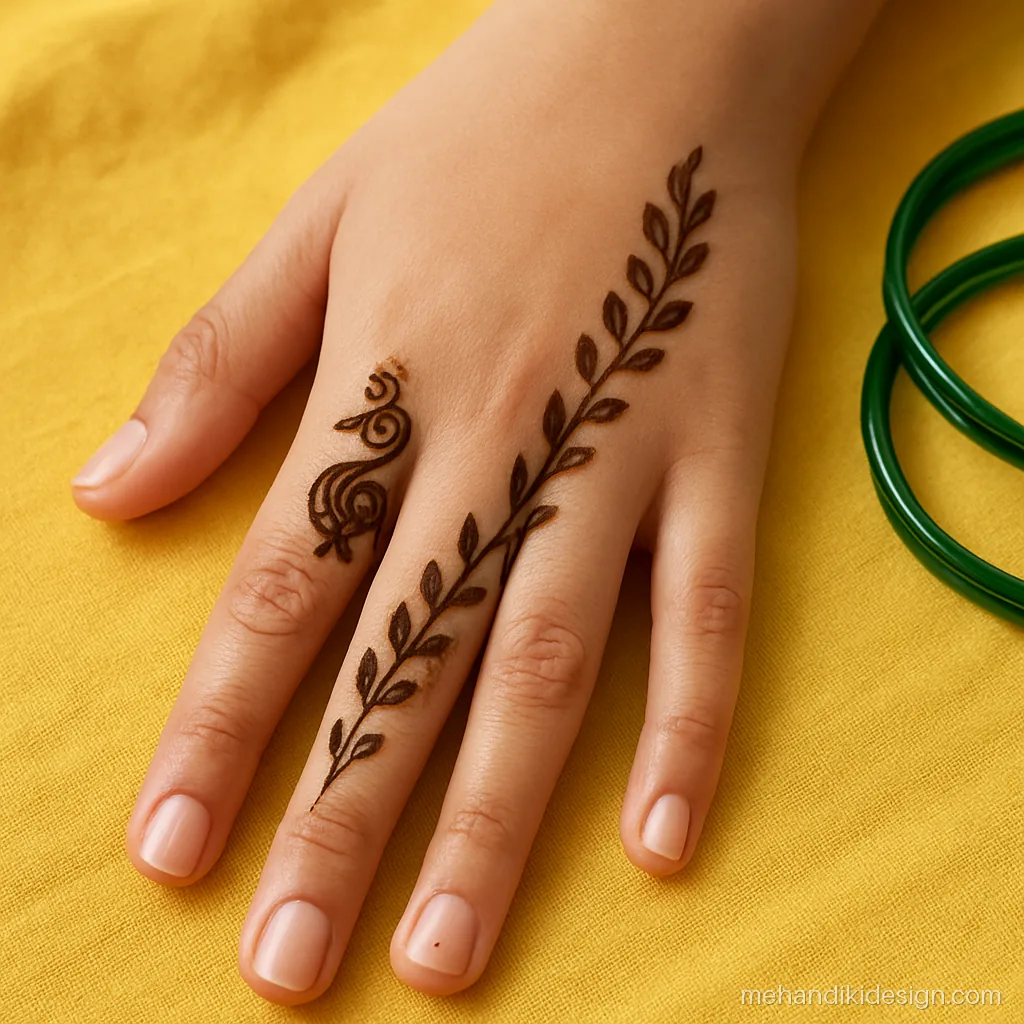
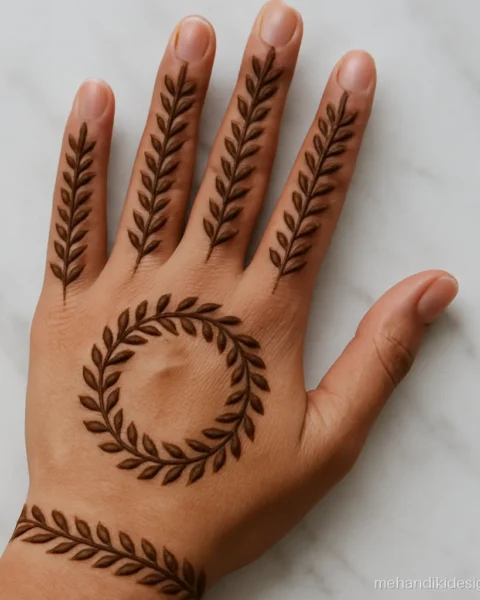
Green Leaf Mehandi Design for Teej
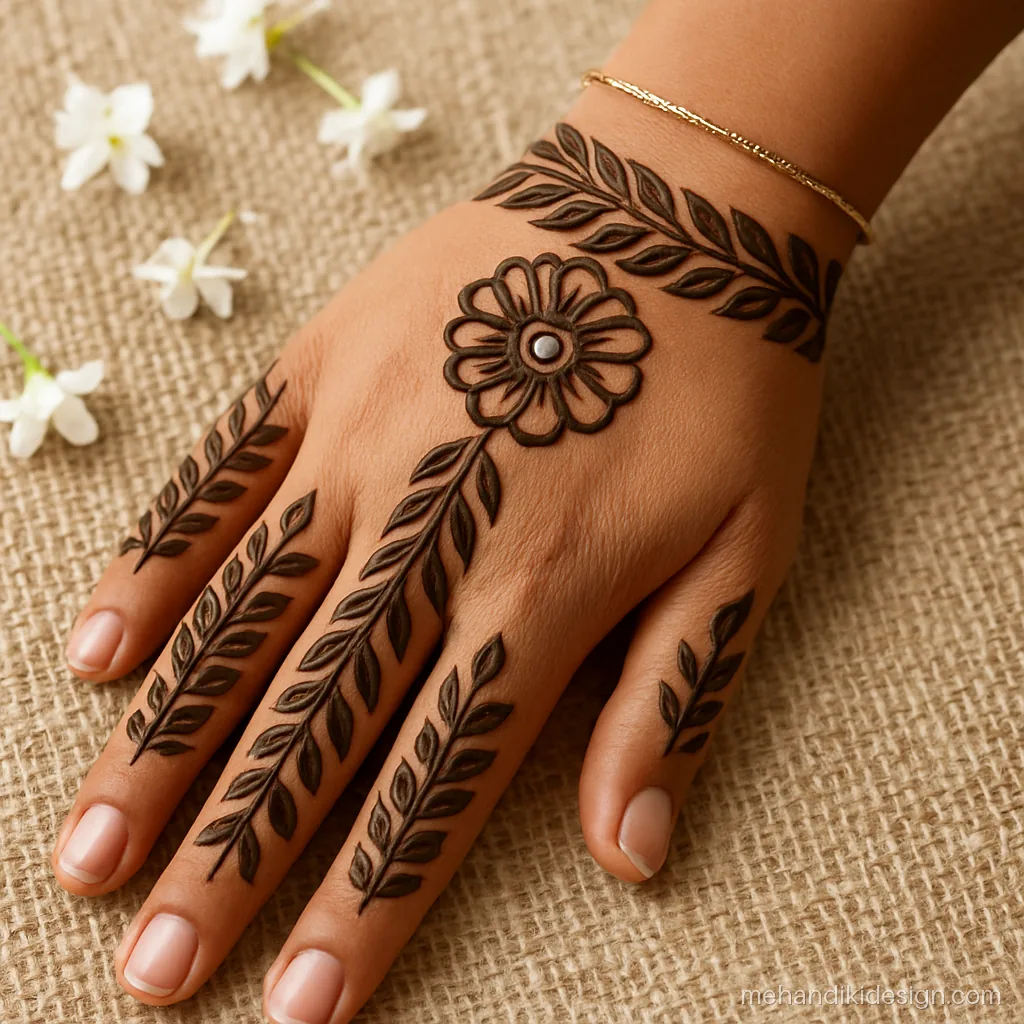
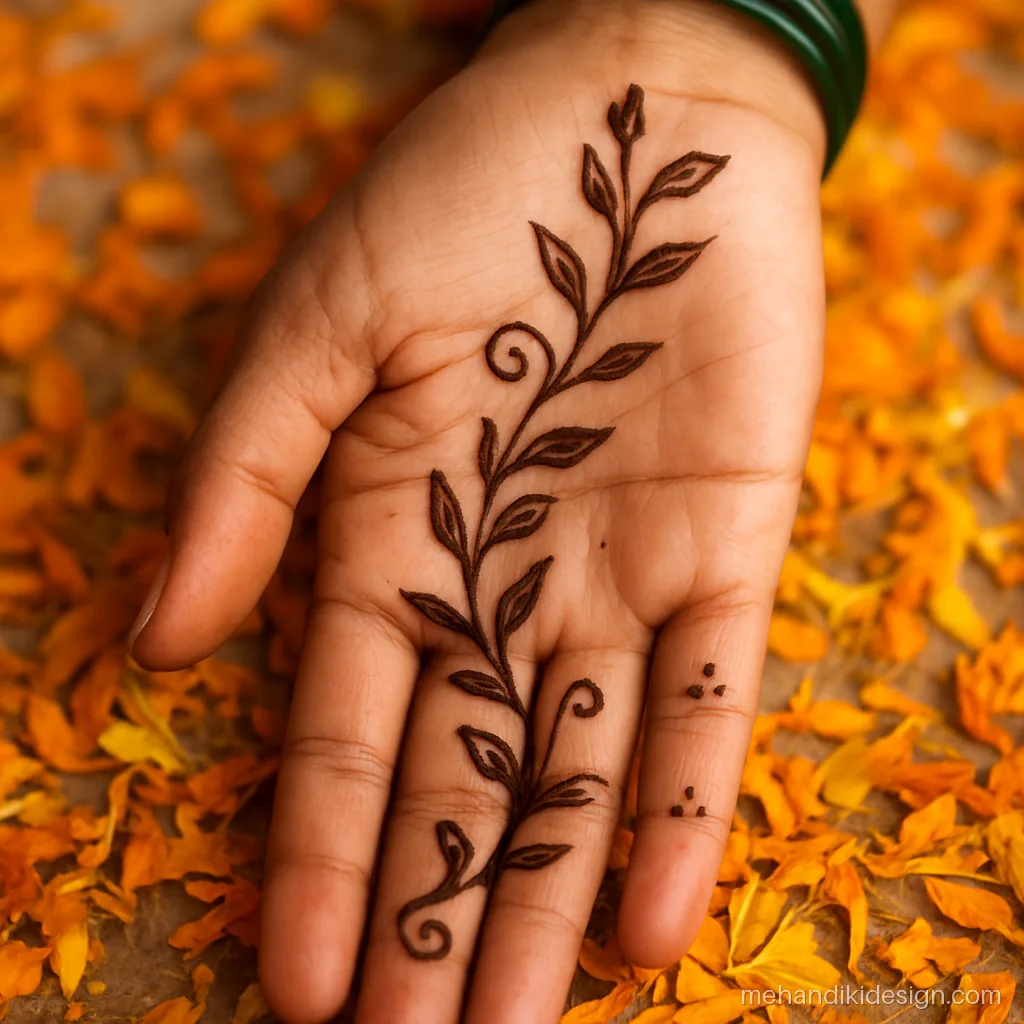
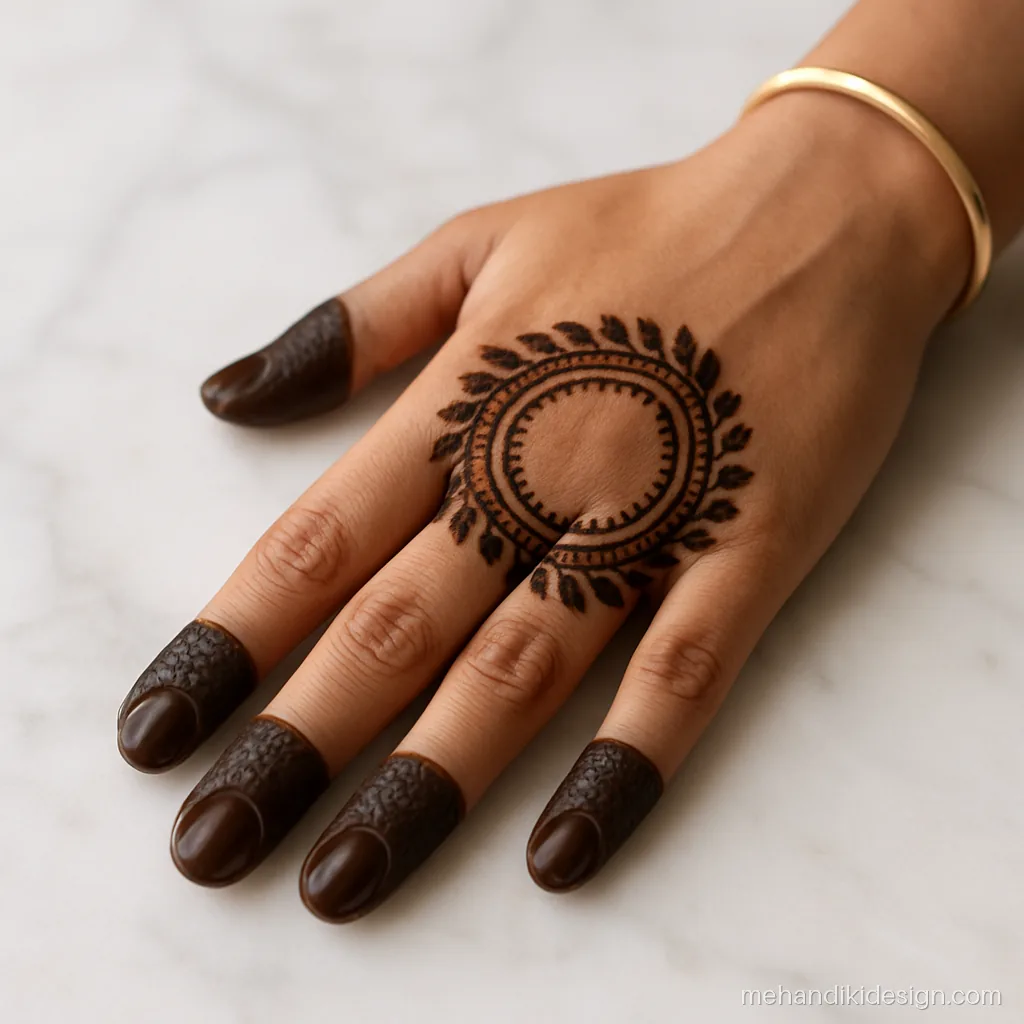
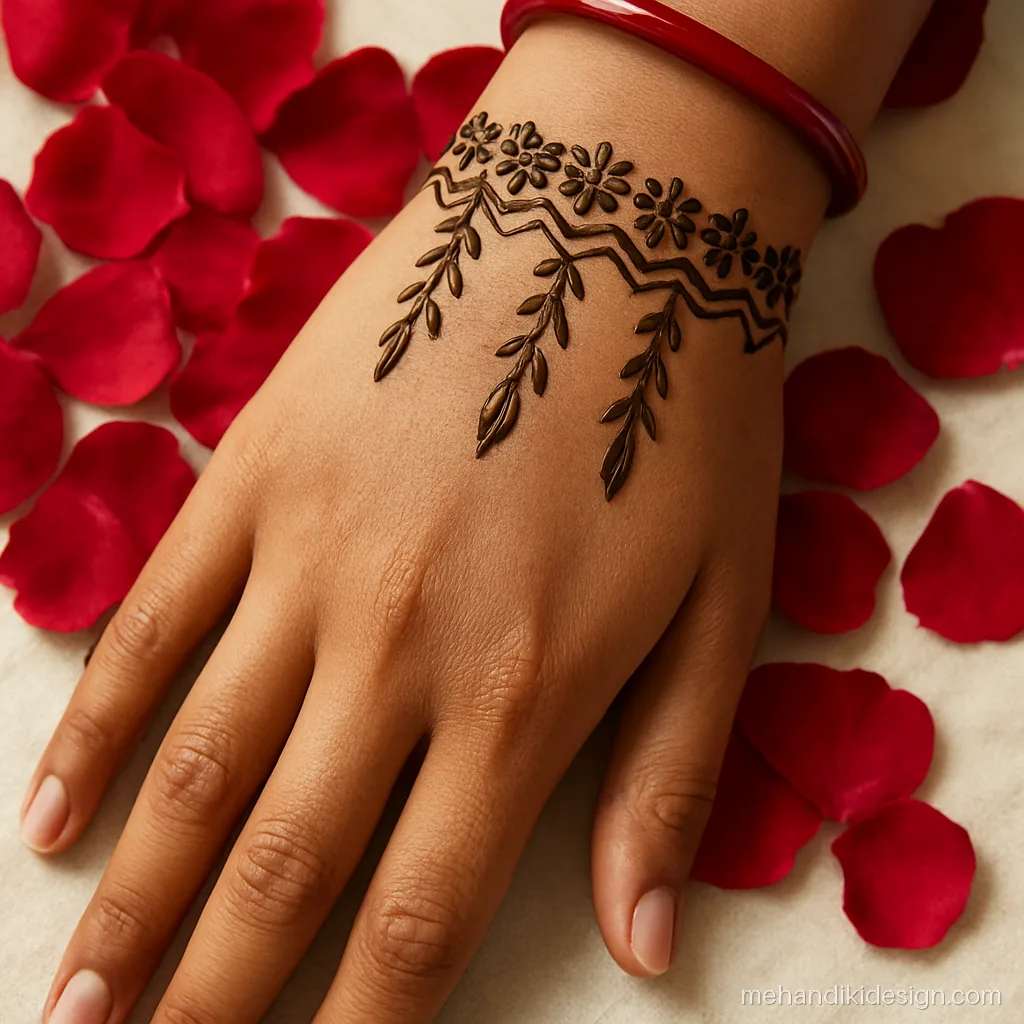
Hariyali means greenery. Leaf bels, mango leaves and creepers keep the look fresh and are easy for beginners.
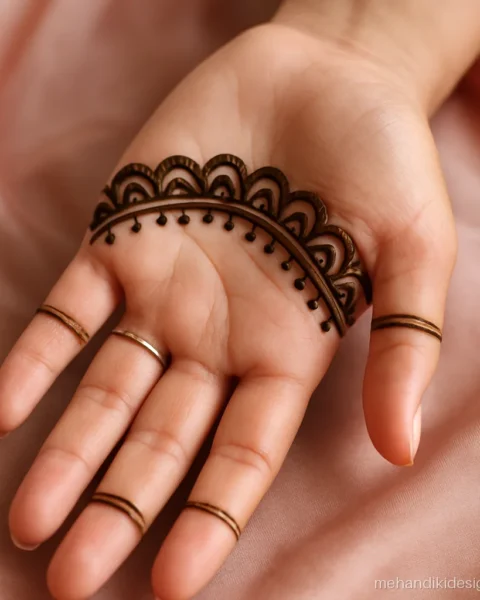
Simple Teej Mehandi Design for a Quick Puja
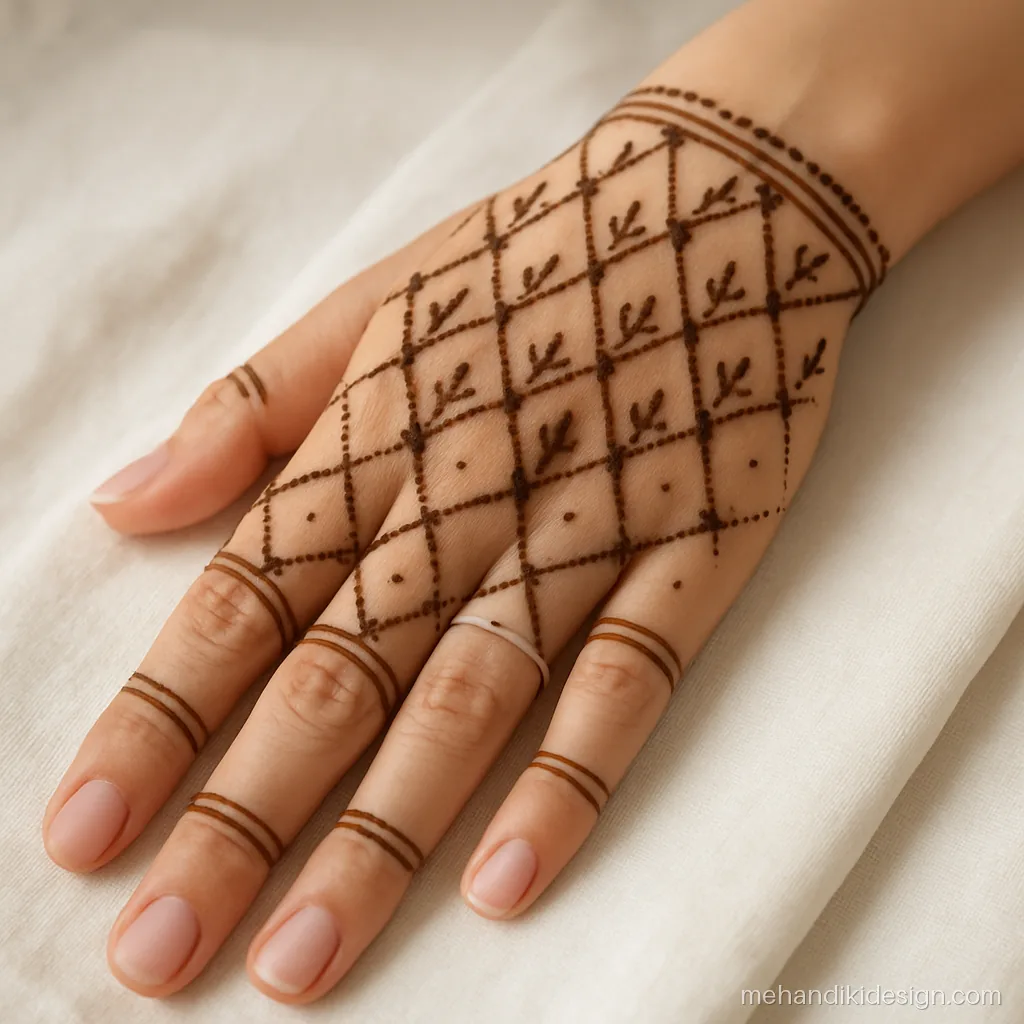
Running late on festival morning? These designs take 10 to 15 minutes and still look festive.
How to Plan Your Mehandi Design for Teej
Teej falls in the rainy season, so the air is humid and paste dries slowly. That is good news: slow drying gives a darker stain. Plan the mehandi the night before the puja, so the colour is deep red-brown by the time you dress up.
- Pick one hero motif. A peacock, a jhula or a big lotus in the palm centre. Fill around it with leaves and dots.
- Use a fine cone for faces and swings. Cut the tip very small so the ropes of the jhula and the peacock’s neck stay thin.
- Leave some skin open. Gaps between leaves look fresh and green-themed, and the design reads better in photos.
- Match your outfit. Green bangles and a green saree look lovely with leafy bels and mango leaf borders.
Getting a Dark Colour During Monsoon
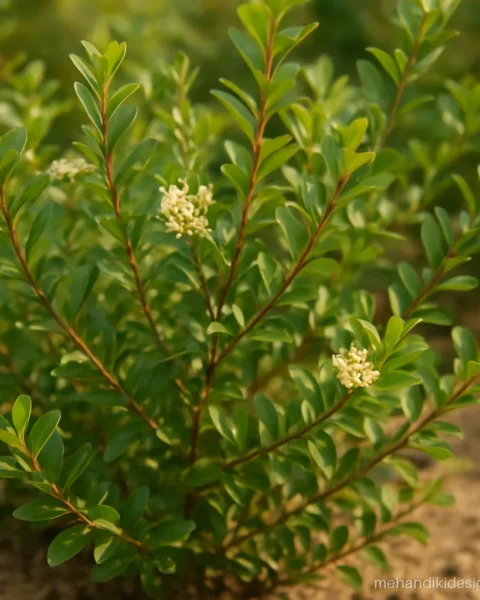
Use only natural henna made from Lawsonia inermis leaves. Avoid black henna cones, which can contain PPD and hurt the skin. Keep the paste on for 6 to 8 hours, and dab lemon-sugar mix once it turns dull and dry. After scraping (not washing), warm your palms over clove smoke and rub a little mustard oil or balm. Keep water away for 12 to 24 hours. The stain starts orange and turns deep brown over the next one or two days. Read more tips on our mehandi ka rang page.
Common questions
Which mehandi design for teej is the most popular?
Peacock and jhula designs are the favourites, because Teej celebrates the monsoon and the swing rituals. Green leaf bels and mango leaf borders are a close second. If you want something quick, a single peacock on the back hand with a leafy finger trail works well.
How many days before Teej should I apply mehandi?
Apply it one night before the festival. Natural henna takes 24 to 48 hours to reach its darkest shade, so by the next evening it looks its best. Teej dates change every year, so check the calendar and count back one day.
Can I put a simple teej mehandi design on my daughter's hand?
Yes. A small peacock, a few leaves and dots take only 10 minutes and children enjoy them. Use only natural henna, never black henna. You will find more cute ideas on our kids mehandi design page.
How do I draw a jhula in mehandi?
Draw two thin vertical lines for the ropes from a leafy branch, then a small flat seat at the bottom. Add a tiny figure or just a pair of feet, and decorate the ropes with small flowers. Use a fine cone tip and keep the lines steady.
Is Hariyali Teej mehandi different from Karva Chauth mehandi?
Both are suhaag festivals, but Teej designs lean on monsoon themes like swings, peacocks, rain drops and green leaves. Karva Chauth designs show the moon, chalni and diya. See our karva chauth mehandi design page for those.