A mehandi ceremony is one of the happiest parts of an Indian wedding: bright colours, music, food and hours of fresh henna. This guide covers what happens at the mehandi rasam, how to plan the day, mehandi function decoration ideas for a hall or home, outfit colours, games, food and how many mehndi artists to book.
You will also find mehandi designs for marriage function guests, from the bride’s full hands to quick designs for cousins, plus mehandi ceremony pose ideas for photos. Everything here comes from what works at real family functions, so you can plan calmly.
For more design ideas, browse our bridal mehandi design, Arabic mehandi design and mehandi poses pages.
Mehandi Function Decoration Ideas
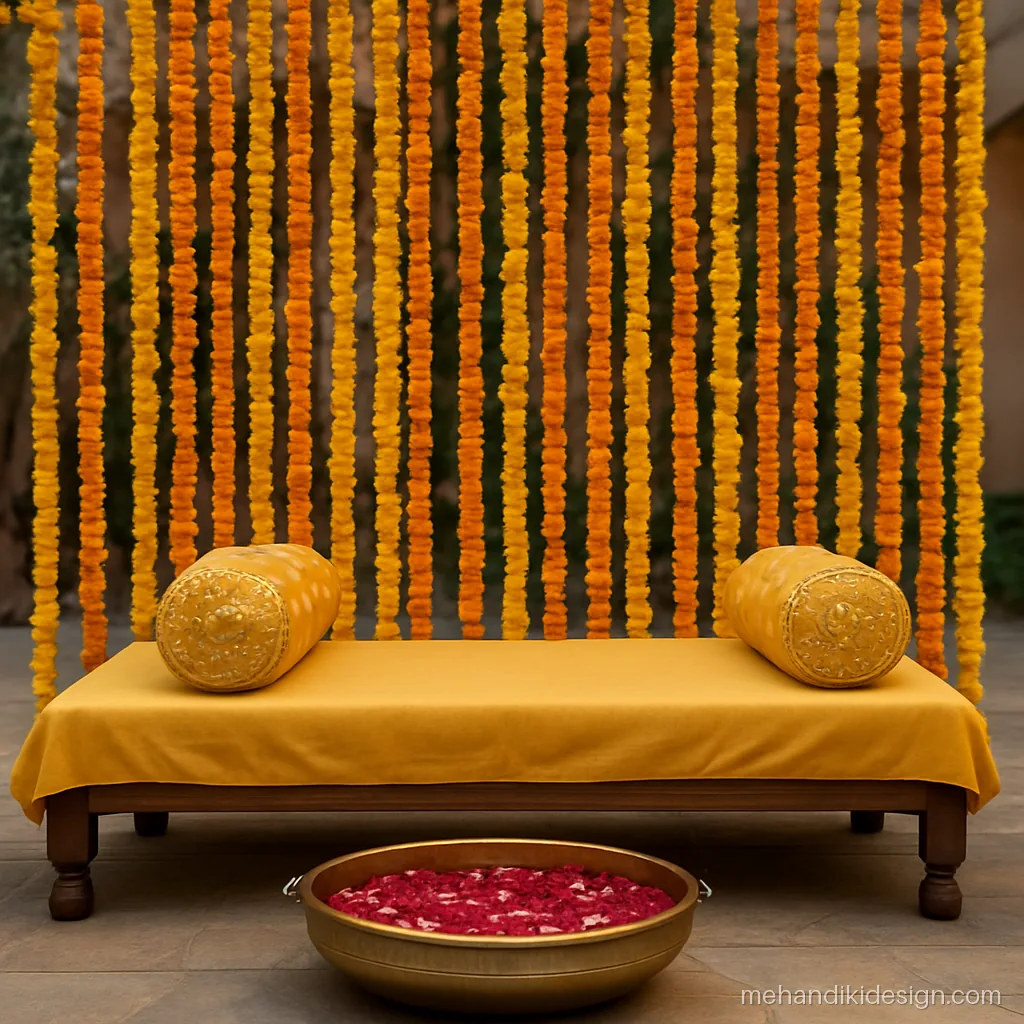
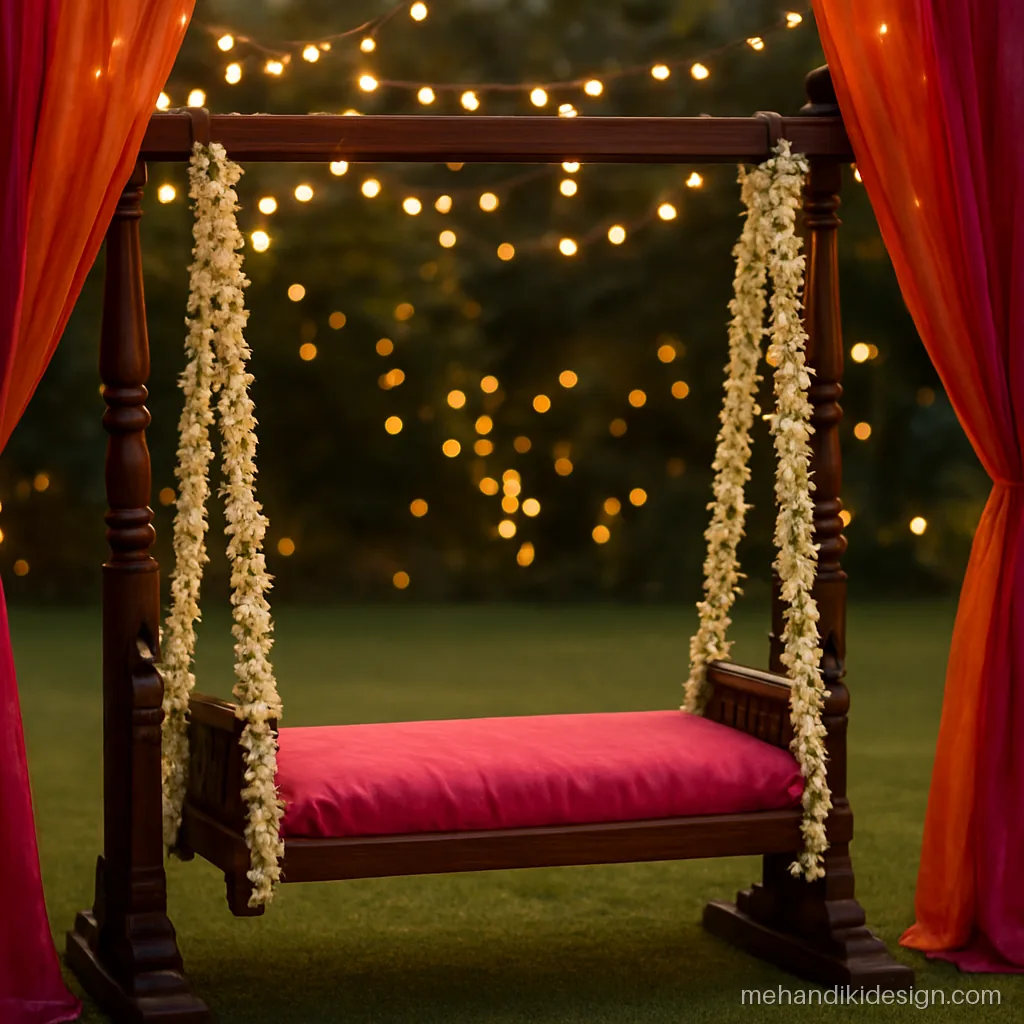
Mehandi function decoration is all about colour, low seating and soft light. These setups work in a banquet hall, a terrace or a small living room.
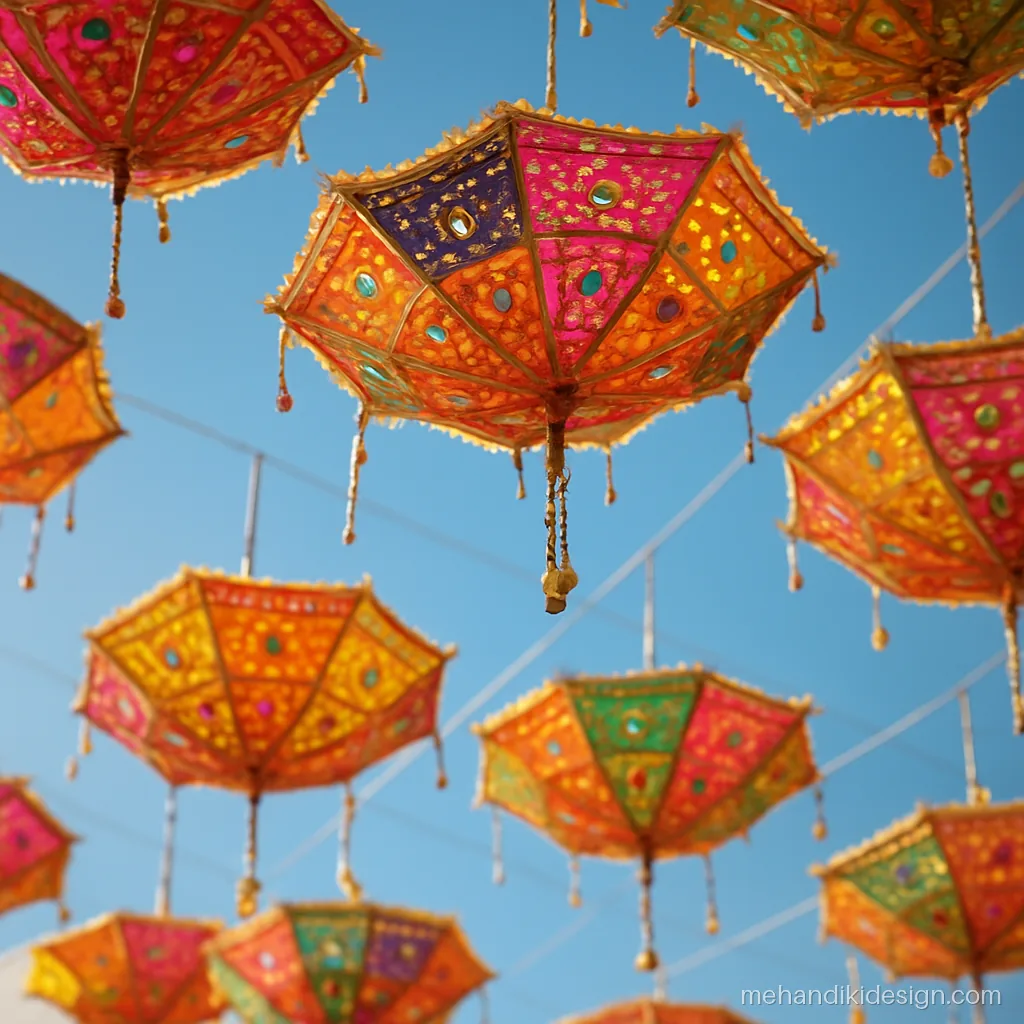
Mehandi Function Mehndi Decoration at Home
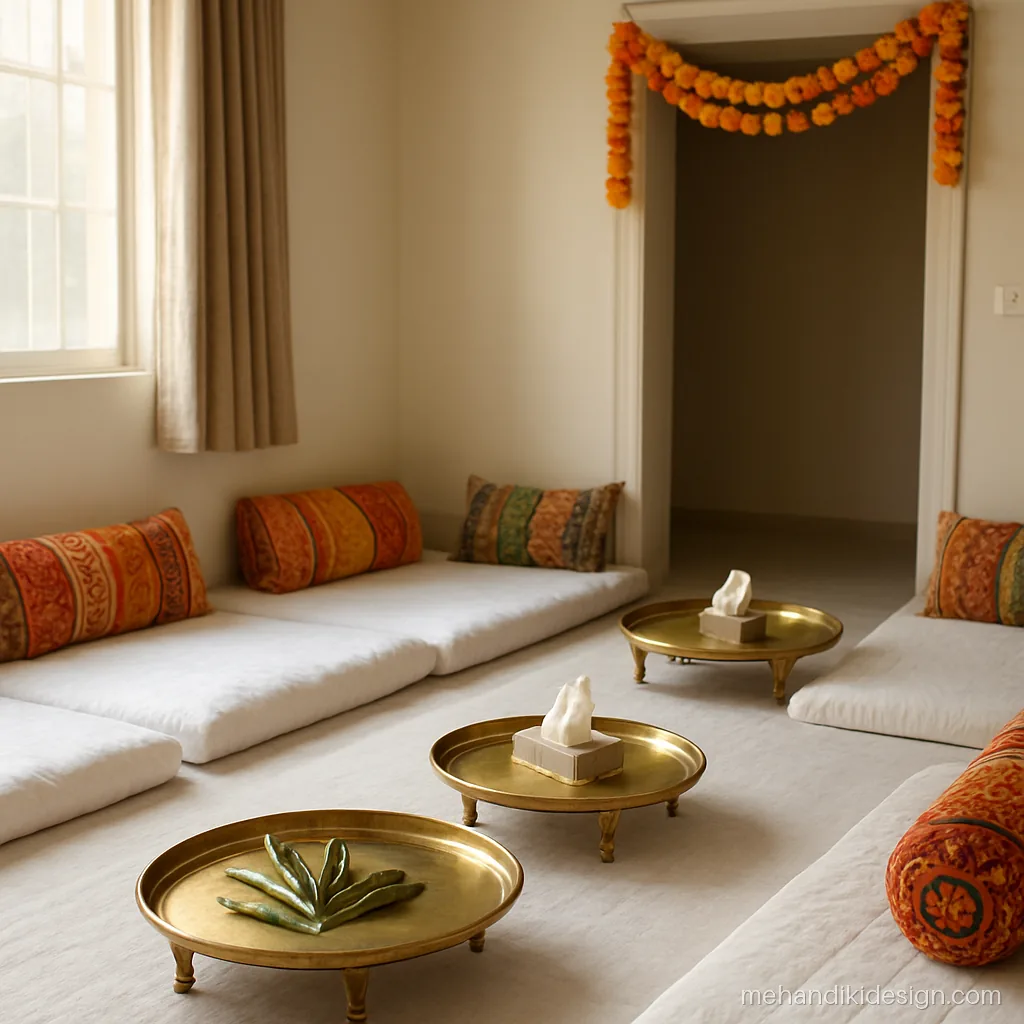
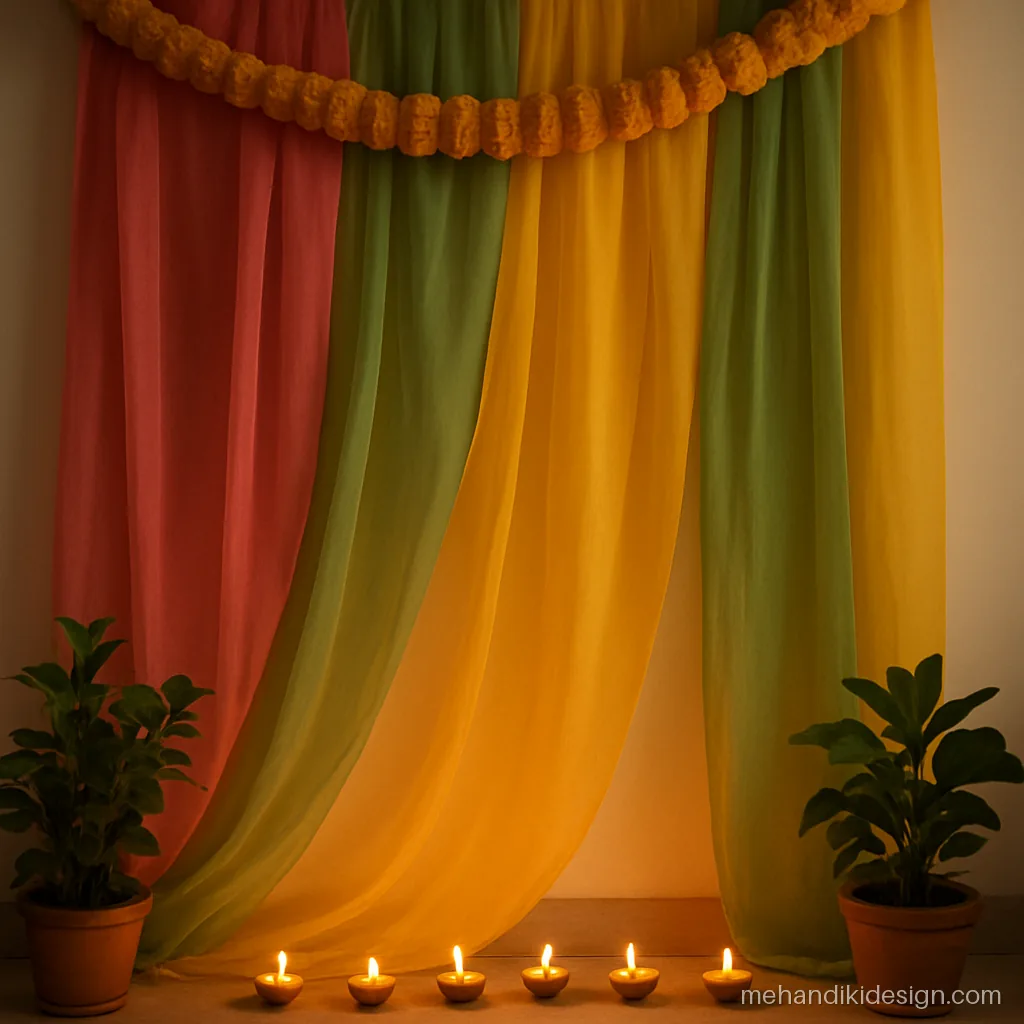
A home mehandi function needs just one bright corner, floor seating and good light for the artists. These ideas fit a normal flat.
Mehandi Designs for Marriage Function
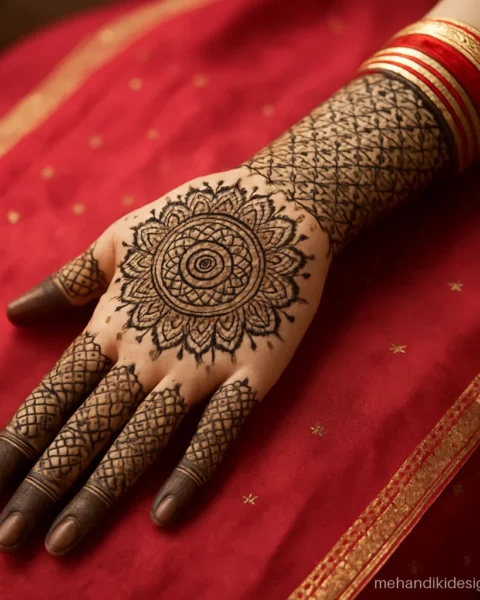
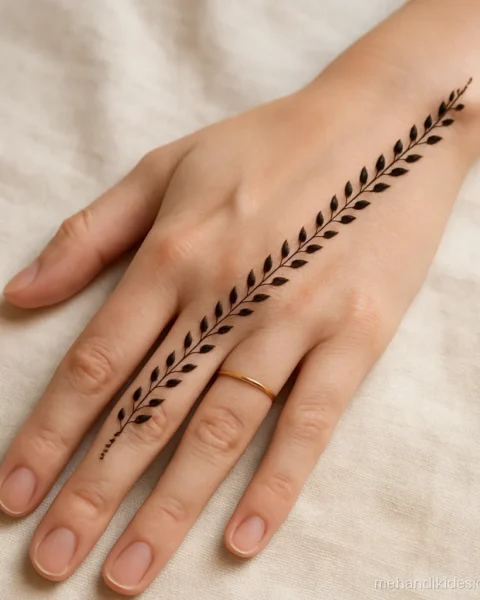
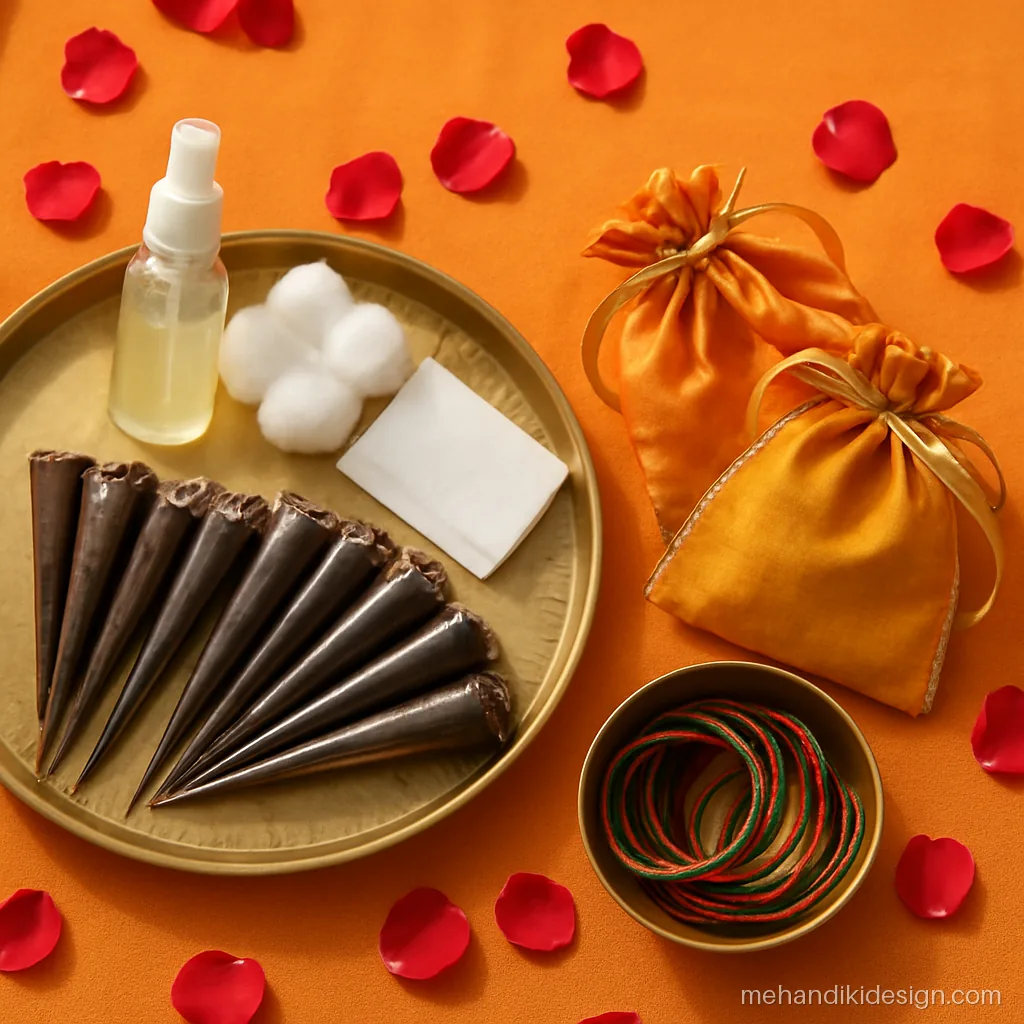
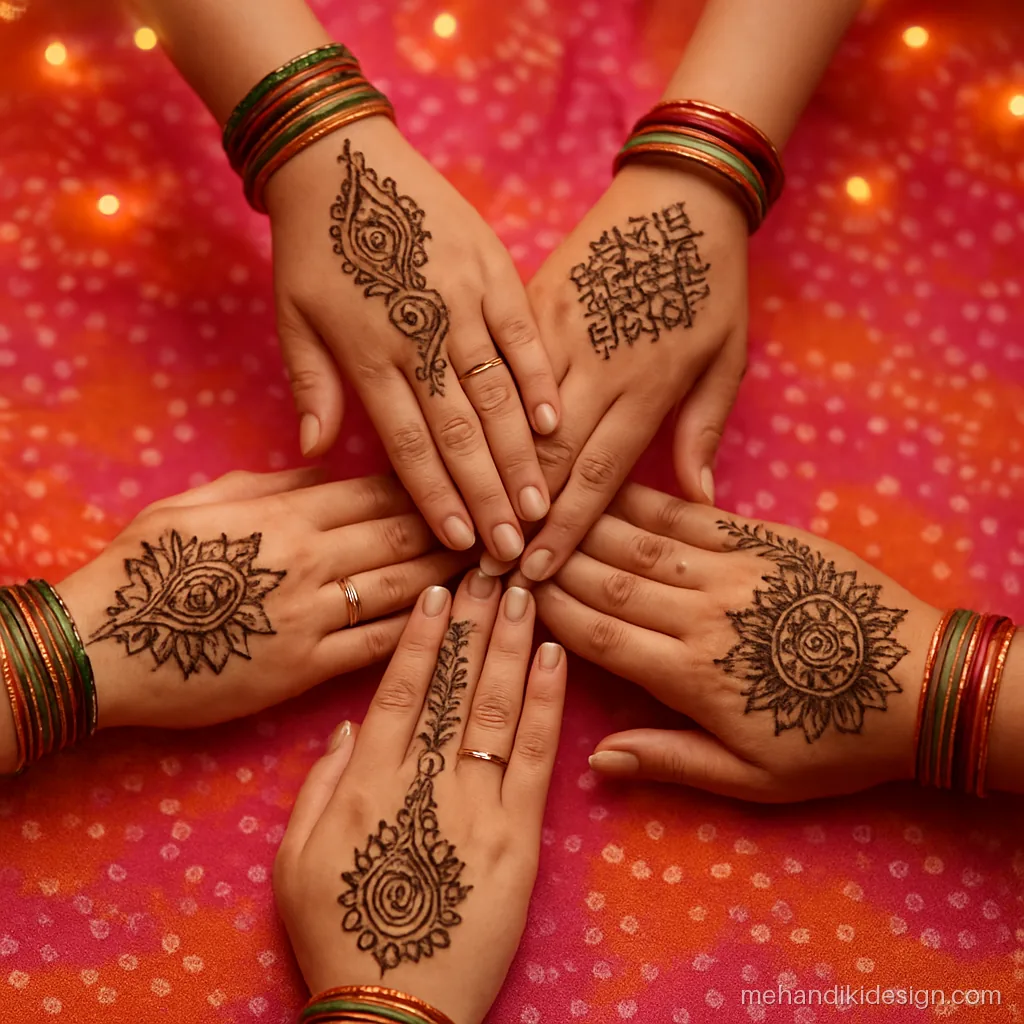
At the mehandi rasam, the bride wears the fullest design and family members wear lighter ones. When you plan mehandi for marriage function guests, these are the mehandi designs for function days that people usually choose.
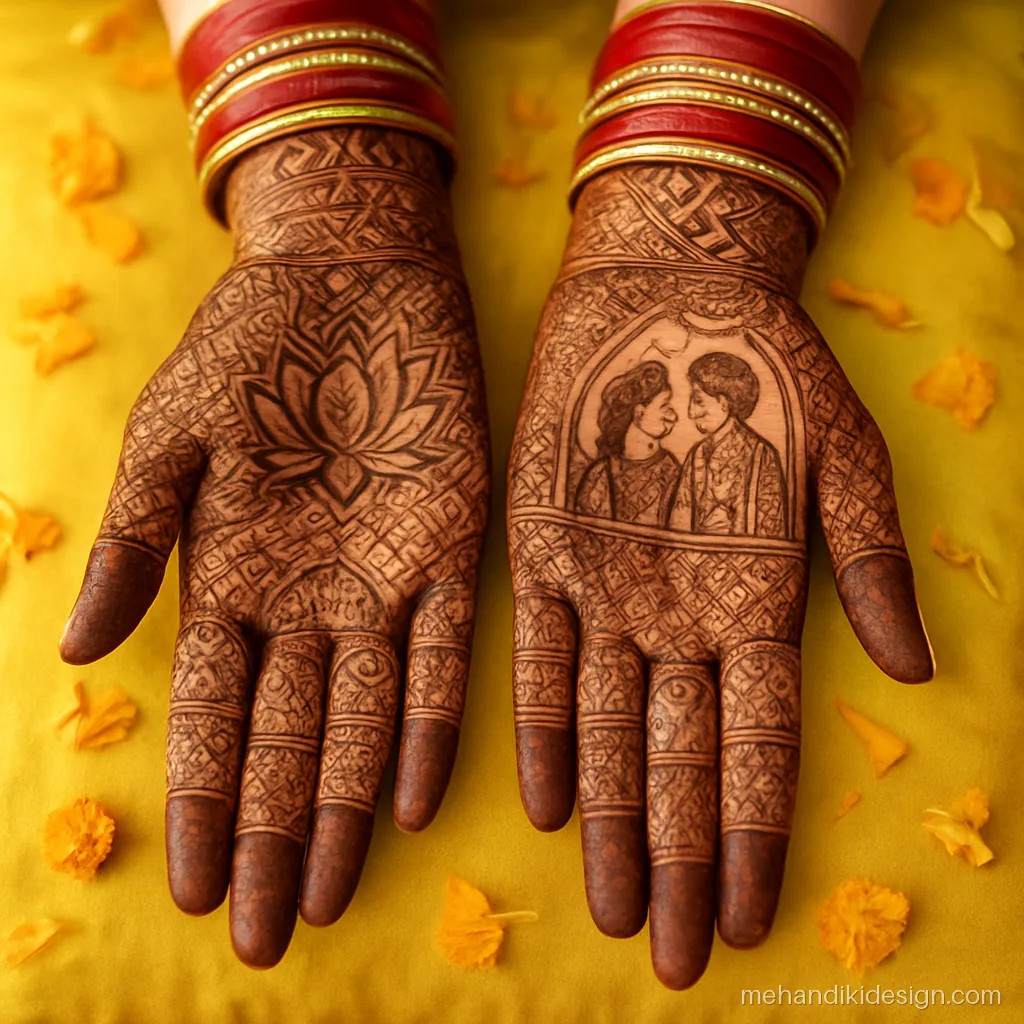
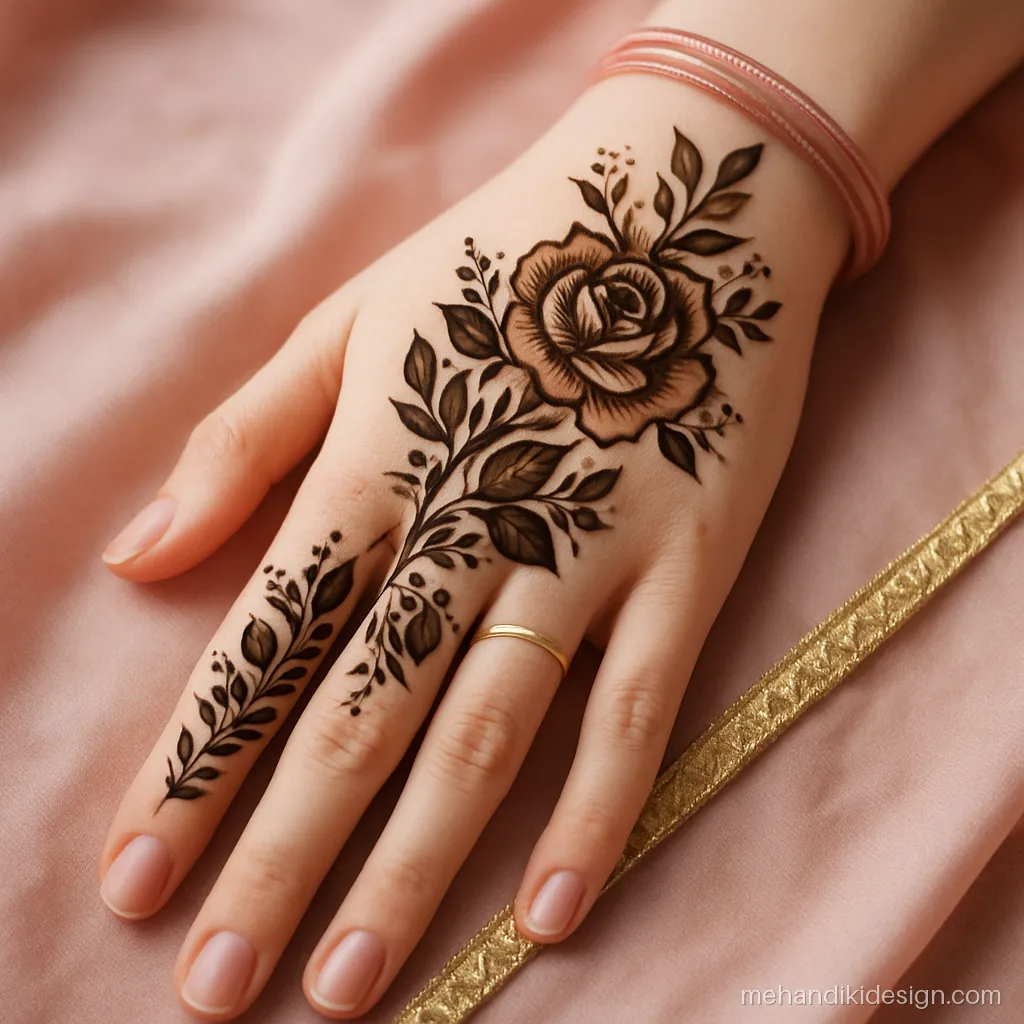
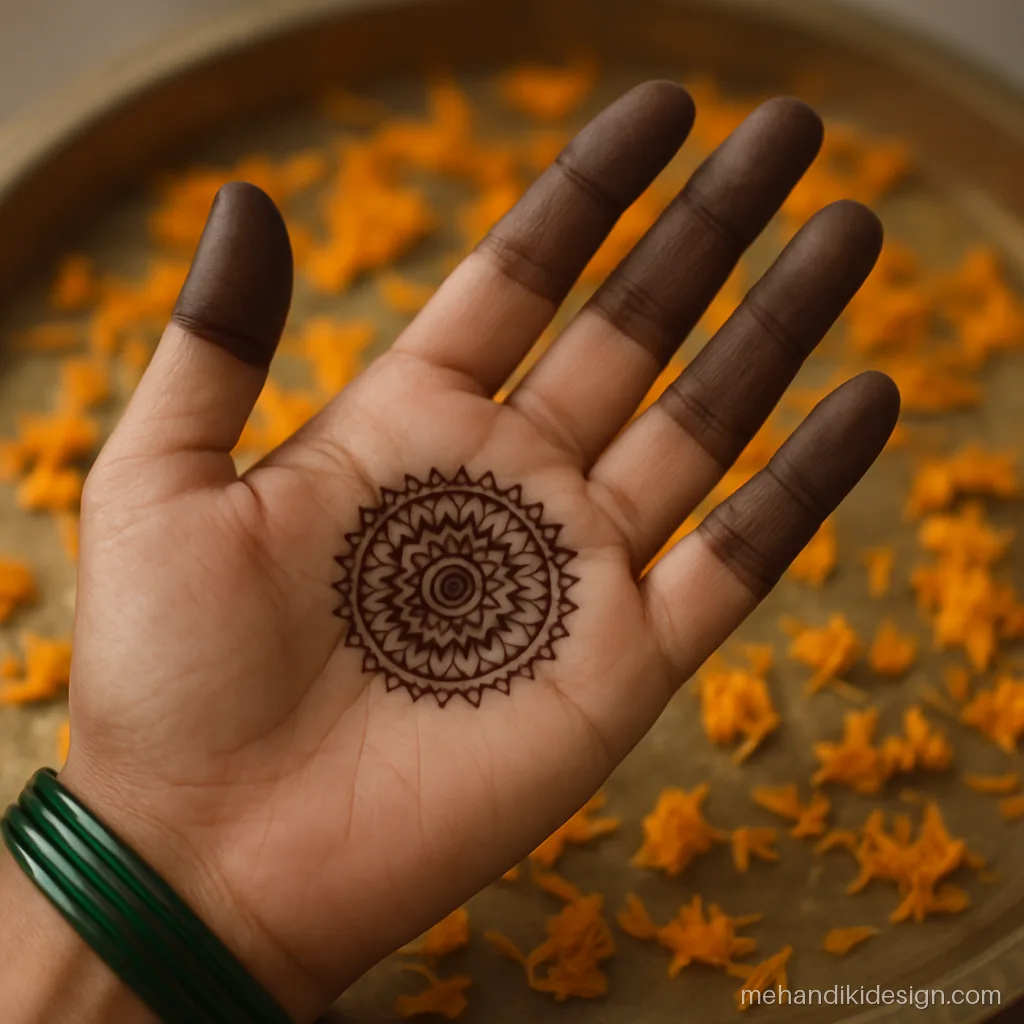
Mehandi Ceremony Pose Ideas and Function Photos
Good mehandi function photos focus on hands, not posed faces. Try these simple ideas while the paste is still fresh.
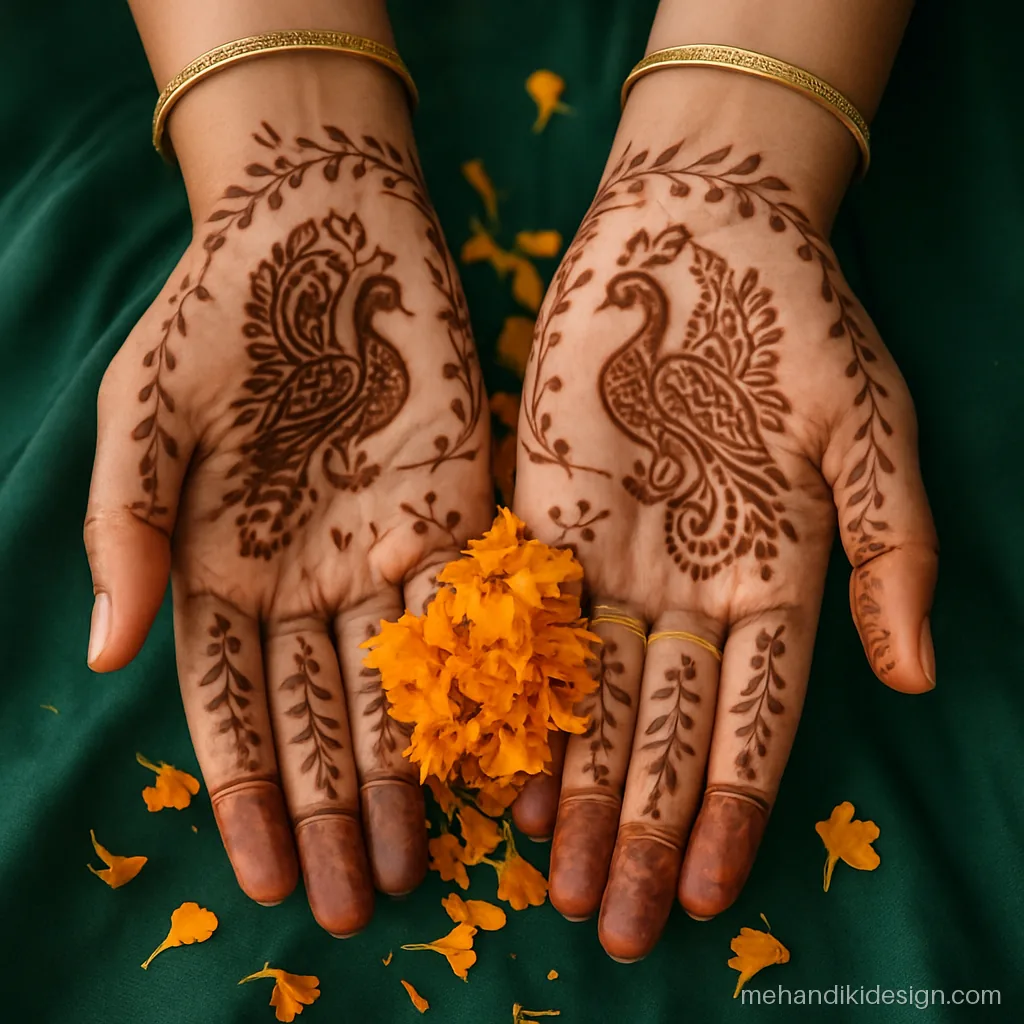
What Happens at a Mehandi Ceremony (Mehandi Ki Rasam)
The mehandi ceremony is usually held one or two days before the wedding. In many families it is called the mehandi ki rasam or mehandi function, and when it runs late it becomes a mehandi night. Customs change from region to region, but the flow is mostly the same:
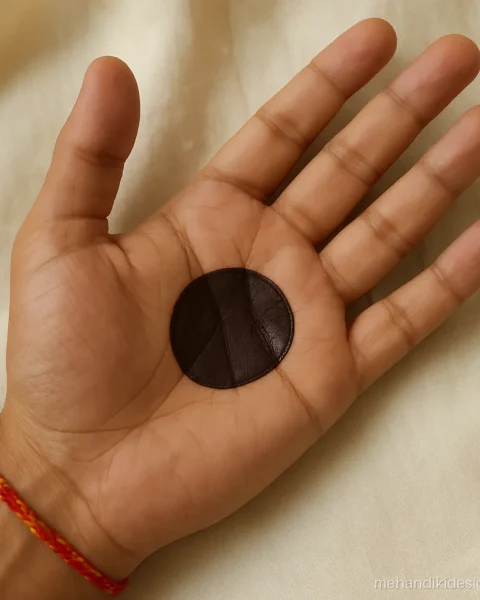
- Blessing and first dot. In many homes an elder applies a small dot or a symbol of mehandi on the bride’s palm first, as a blessing.
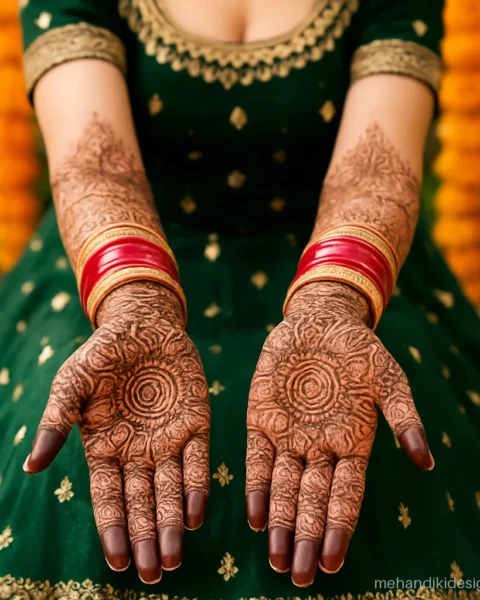
- Bridal mehandi. The main artist starts the bride’s full design. This takes the longest, often 4 to 6 hours for hands and feet together.
- Family and guests. Other artists apply lighter designs on sisters, cousins, aunts and friends.
- Music and dance. Dholak, folk songs and dancing keep everyone busy while the paste dries.
- Food and games. Snacks are served, and the bride is often fed by her sisters because her hands are covered.
Many families also hide the groom’s initials inside the bride’s design. He has to find them later, which is a fun tradition. For design ideas, see our bridal mehandi design gallery and dulhe ki mehandi design page for the groom.
Planning Timeline for the Mehandi Function
Most stress at a mehandi function comes from late artists and too many guests waiting. Plan it like this:
| When | What to do |
|---|---|
| 6 to 8 weeks before | Book the bridal mehndi artist. Ask to see photos of their own work and check that they use natural henna. |
| 3 to 4 weeks before | Fix the guest count and book extra artists. Choose decoration, music and menu. |
| 1 to 2 weeks before | Do a small patch test of the artist’s paste on the bride’s inner arm. Get facials, waxing and manicures done now, not after mehandi. |
| 1 day before | Set up decoration, keep cushions and trays ready, charge lights and speakers. |
| On the day | Bride starts first, ideally in the morning. Guests start once the bride’s palms are done. |
How many artists do you need? A simple guest design takes about 10 to 20 minutes per hand. One artist can comfortably do 12 to 15 guests in three hours with light designs. So for 50 guests plan three to four artists plus the bridal artist. Ask artists to keep two or three ready-made styles for guests so the line moves fast.
Choose the bride’s mehandi date carefully. Henna takes 24 to 48 hours to reach its darkest colour, so applying it one or two days before the wedding gives the best shade on the big day. Read our mehandi ka rang guide for colour tips.
Mehandi Function Dress and Outfit Colours
Mehandi function dress choices are usually bright and comfortable. Green, yellow, orange and pink are the classic colours because they match marigolds and the mood of the day.
- For the bride: a light lehenga, sharara or anarkali in parrot green, mustard or fuchsia. Choose short or elbow sleeves so the artist can reach the forearms.
- Mehandi function sarees: soft georgette, chiffon or bandhani sarees look lovely, but pin the pallu well so it does not touch wet paste.
- Dresses for mehandi function guests: kurta sets, gharara or palazzo suits in pastel or bright colours. Avoid long trailing sleeves.
- Comfort first: the best dress for mehandi function hours is one you can sit cross-legged in for a long time.
- Fabric tip: wet henna stains fabric. Do not wear an expensive white or cream outfit while getting mehandi done.
A good mehandi function look also means light jewellery. Big rings and heavy bangles get in the way of the cone, so wear them for photos after the paste dries.
Games, Food and Music for a Mehandi Night
Guests sit for a long time at a mehandi function, so keep them entertained.
Games:
- Find the groom’s name hidden in the bride’s mehandi.
- A quiz about the couple: how they met, favourite food, first trip.
- Pass the parcel with small gifts like bangles or bindis.
- A dholak and antakshari circle where teams take turns singing.
Food: serve finger food that guests can eat without using their hands much. Chaat with spoons, mini kachoris, pani puri counters with a server, kulfi on sticks and lassi with straws all work. Keep napkins everywhere.
Music: traditional folk songs sung with a dholak, family wedding songs that every aunt knows, and upbeat dance tracks for the evening are the usual mix. Make one playlist for the afternoon (softer, so the artists can concentrate) and a louder one for the mehandi night dance. Check speaker volume with neighbours if the function is at home.
Tips for the Bride on Mehandi Day
- Eat a proper meal and use the washroom before your mehandi starts. You will not use your hands for hours.
- Wear a top that buttons in front or a loose kurta, so you can change later without smudging.
- Let the paste dry fully, then dab lemon-sugar mix gently. Keep it on overnight if you can.
- Scrape it off with a blunt butter knife, not water. Apply a little mustard oil or balm.
- Avoid water for 12 to 24 hours after removing the paste.
- Use only natural henna. Black henna can contain PPD, a chemical that can cause serious skin reactions.
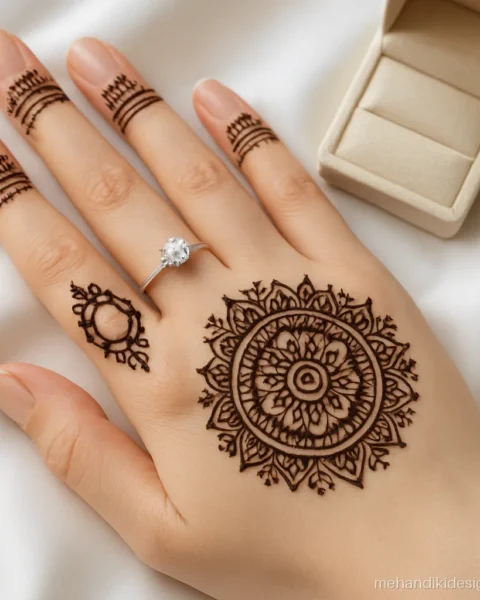
If you want a lighter look for a smaller event like a roka or engagement mehandi design, keep the backs of the hands simple and fill only the palms.
Common questions
What is the mehandi ceremony?
It is a pre-wedding function where the bride gets her bridal mehandi applied while family and friends sing, dance and get lighter designs. It is usually held one or two days before the wedding.
When should the mehandi function be held?
One or two days before the wedding works best. Natural henna takes 24 to 48 hours to reach its darkest colour, so the bride’s hands look deepest on the wedding day.
What colour dress is best for a mehandi function?
Green, yellow, orange and pink are the traditional choices. Pick short or elbow sleeves so the artist can work easily, and avoid expensive light fabrics that can get stained.
How many mehandi artists do I need for the function?
Plan one artist for every 12 to 15 guests if guest designs are simple, plus a separate artist for the bride. Ask them to bring two or three quick designs to keep the line moving.
How do I do mehandi function decoration at home?
Clear the centre of a room, add floor mattresses and bolsters, hang marigold strings or dupattas as a backdrop, and use warm lights and diyas. Keep one well-lit corner for the bride and the artist.
What is a good mehandi design for a ring ceremony?
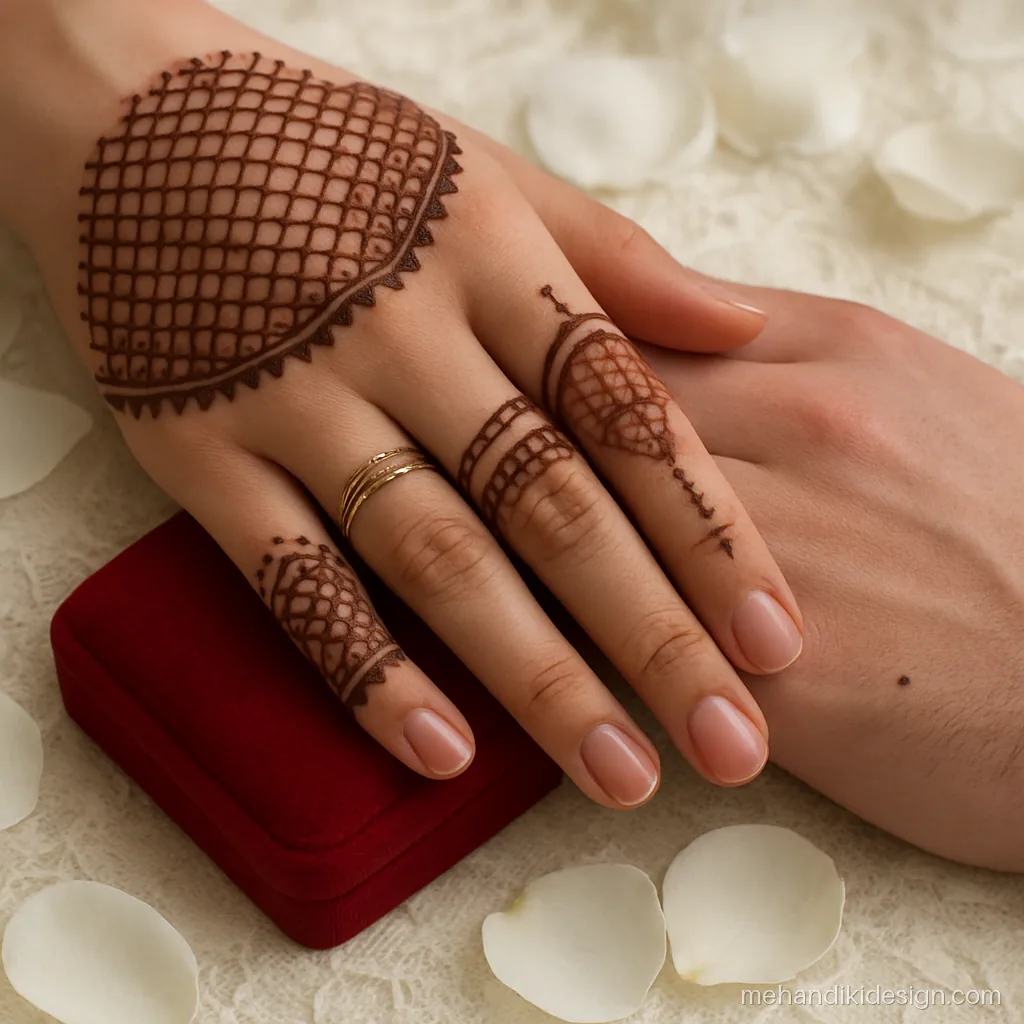
A light, elegant design with a fine net or floral trail on the back of the hand works well. Keep the ring finger mostly clear with a thin band so the engagement ring shows in photos.